Imagine a historic building suddenly coming to life with animated stories, or a stadium transformed into a giant canvas during a major sporting event. These captivating visual experiences are made possible through projection mapping, a technology that turns ordinary surfaces into dynamic displays.
Unlike traditional projection, this technique allows digital content to be precisely aligned with the shape and dimensions of real-world objects. By combining specialized software, powerful projectors, and creative content, organizations can create unforgettable visual storytelling experiences that engage audiences on a deeper level.
Magcubic will guide you through what projection mapping is, how it works, the technology required, and how to successfully plan your own project.
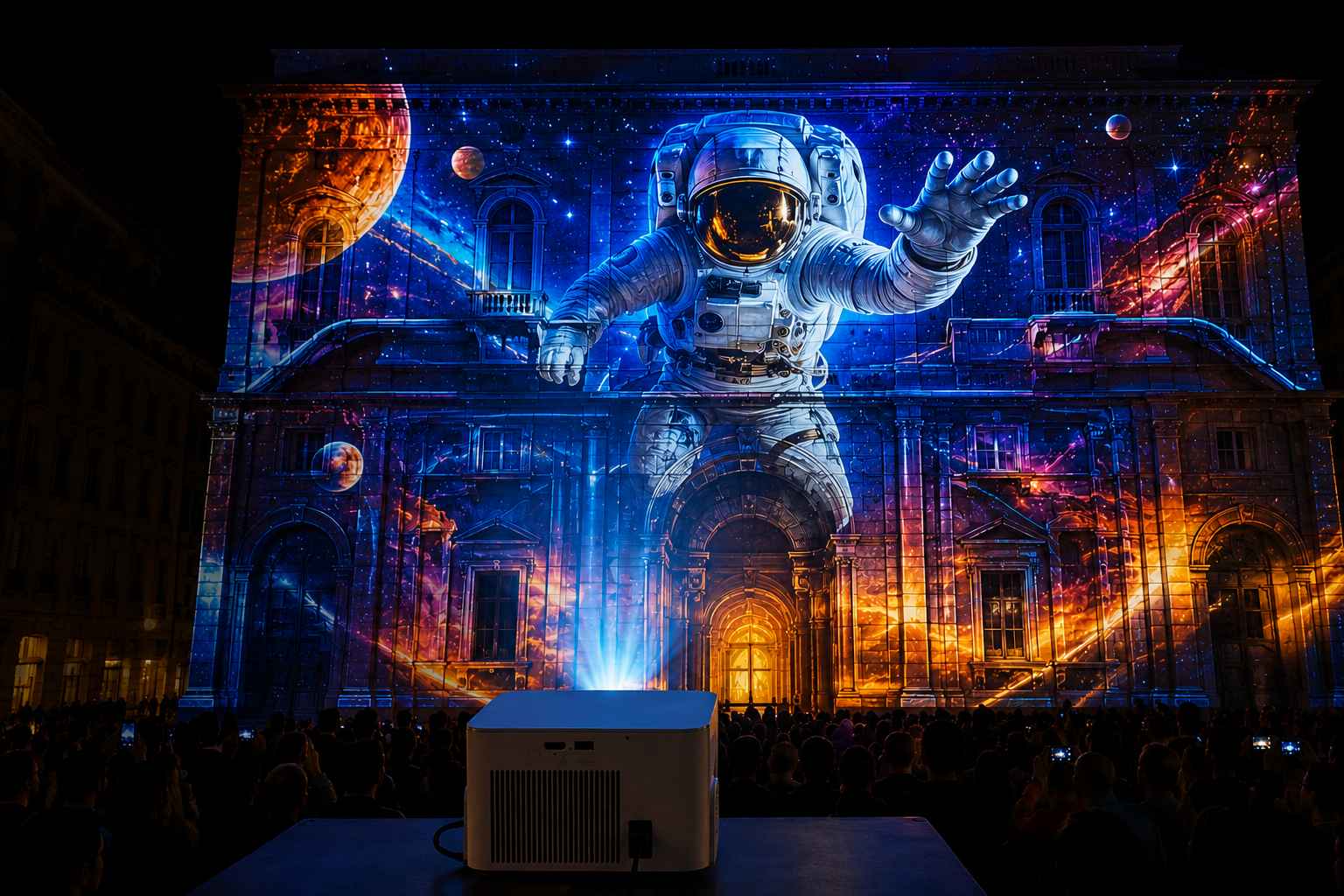
What Is Projection Mapping?
Projection mapping is a digital projection technology that projects images, videos, or animations onto irregular surfaces rather than traditional flat screens. Buildings, vehicles, stages, sculptures, and even natural landscapes can become display surfaces.
Also known as 3D projection mapping or architectural projection, the technique creates the illusion that physical objects are moving, changing shape, or interacting with digital elements. The result is a highly immersive experience that captures attention and leaves a lasting impression.
How Does It Work?
Designers create a digital model of the object or environment and use specialized software to align visual content with its exact dimensions.
Once the content is mapped, projectors display the visuals onto the target surface. Because the images are carefully calibrated, they appear to fit perfectly, even on complex shapes and structures.
A typical workflow includes:
- Surface measurement and scanning
- Digital modeling
- Content creation and animation
- Mapping and calibration
- Projection testing and optimization
The combination of hardware and software ensures that every visual element appears exactly where intended.
Technology Requirements
Successful projection mapping projects rely on several key technologies:
High-Brightness Projectors
The projector must be powerful enough to overcome ambient light conditions. Outdoor installations often require significantly higher brightness levels than indoor projects.
Mapping Software
Specialized software is used to align content with surfaces and compensate for irregular shapes. These tools help creators achieve accurate positioning and seamless visual effects.
Media Servers
Large-scale projects frequently use media servers to manage content playback, synchronization, and multiple projectors.
Content Creation Tools
Design software, animation platforms, and 3D modeling applications are essential for producing engaging visuals and interactive displays.
How to Get Started
Launching a projection project requires more than choosing equipment. Strategic planning is critical for achieving both creative and business goals.
Define Your Objectives
Start by identifying the purpose of the project.
Common goals include:
- Increasing social media engagement
- Promoting tourism destinations
- Supporting brand awareness campaigns
- Enhancing event marketing initiatives
- Creating memorable customer experiences
Clear objectives help guide creative decisions and budget allocation.
Evaluate Surface Characteristics
The projection surface plays a major role in visual quality.
Light-colored surfaces generally produce the best results, while dark materials can reduce brightness and contrast. Glass surfaces may require specialized films for improved visibility. Modern mapping software can also compensate for minor surface imperfections.
Assess Venue Conditions
Determine whether the installation is temporary or permanent.
Outdoor environments introduce additional challenges such as rain, snow, wind, and temperature fluctuations. Protective projector enclosures, secure mounting systems, and reliable power sources should be planned in advance.
Focus on Content Development
Content creation is often the most underestimated phase of a project.
The complexity of animations, visual effects, and storytelling elements directly impacts production timelines and budgets. High-quality content is what ultimately transforms technology into an engaging audience experience.
Why Use Projection Mapping?
The primary value of projection mapping lies in its ability to create dynamic, unexpected, and highly shareable experiences.
Application Matrix
| Industry | Typical Use Cases |
|---|---|
| Tourism | Landmark illuminations, cultural storytelling |
| Events | Concerts, festivals, sporting events |
| Retail | Product launches, interactive displays |
| Corporate | Brand activations, experiential marketing |
| Museums | Educational exhibits, immersive experiences |
| Public Spaces | Art installations, community celebrations |
Conclusion
As digital experiences continue to evolve, projection mapping has emerged as one of the most effective tools for transforming physical spaces into engaging visual environments. Whether used for architectural projection, event marketing, tourism promotion, or brand storytelling, the technology offers unmatched creative flexibility.