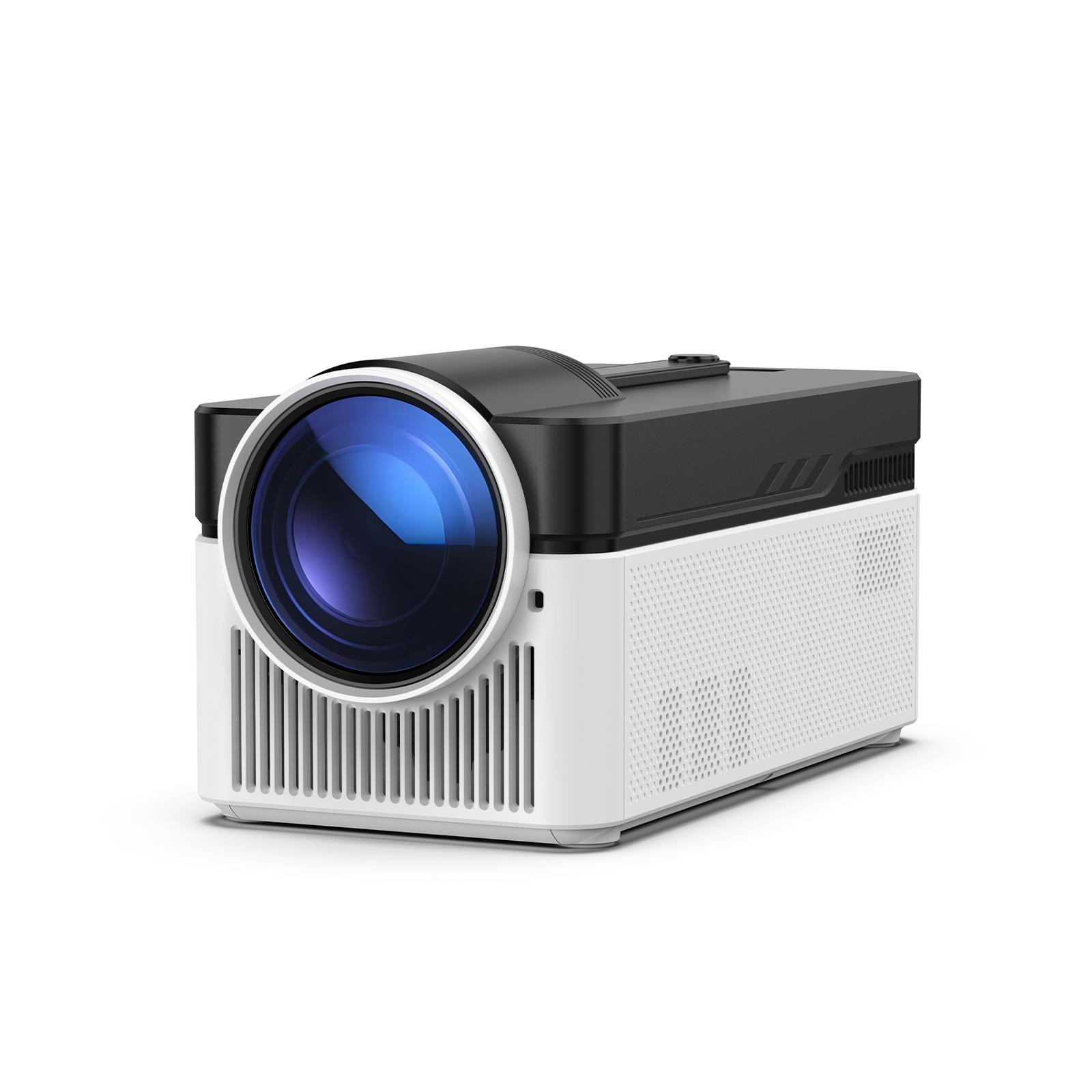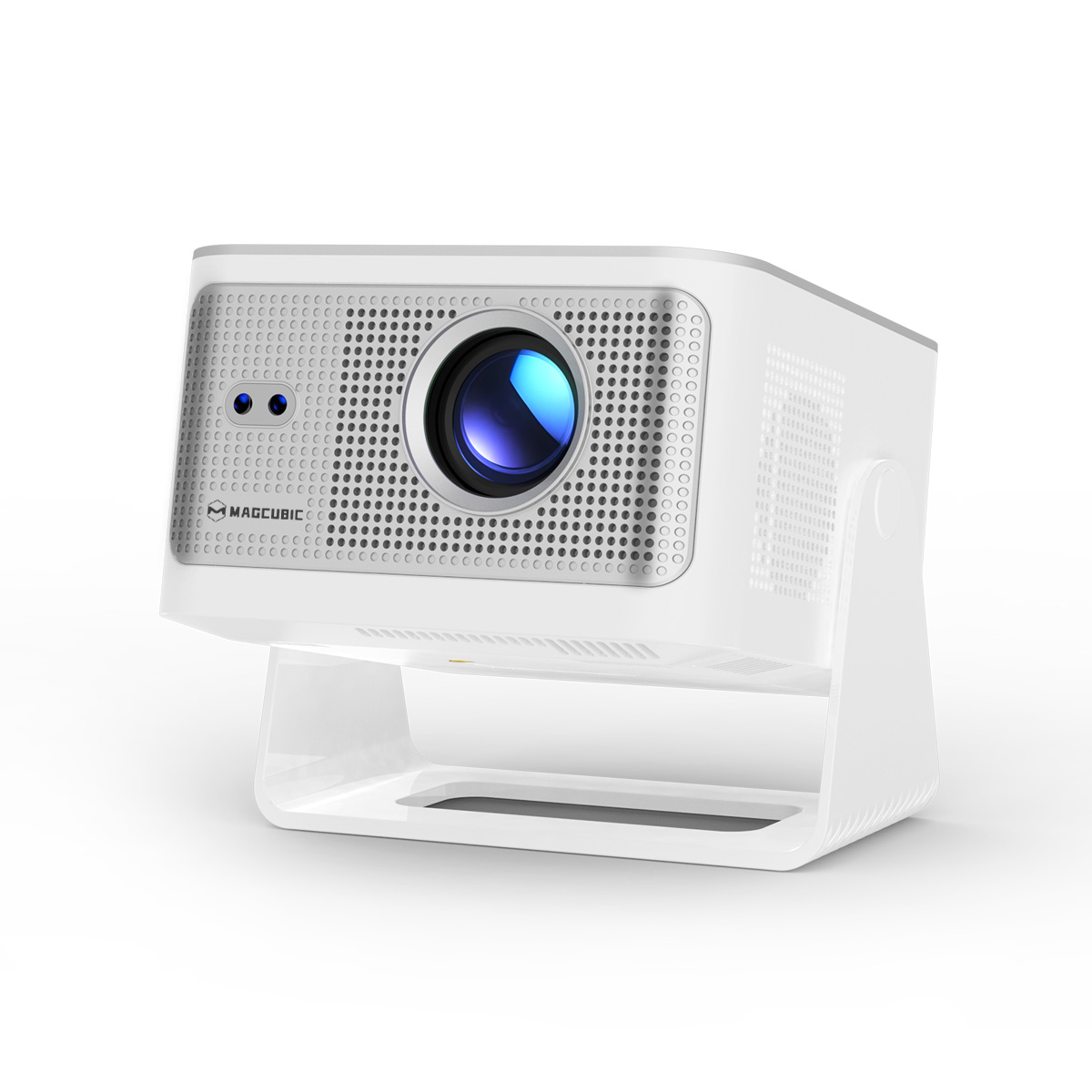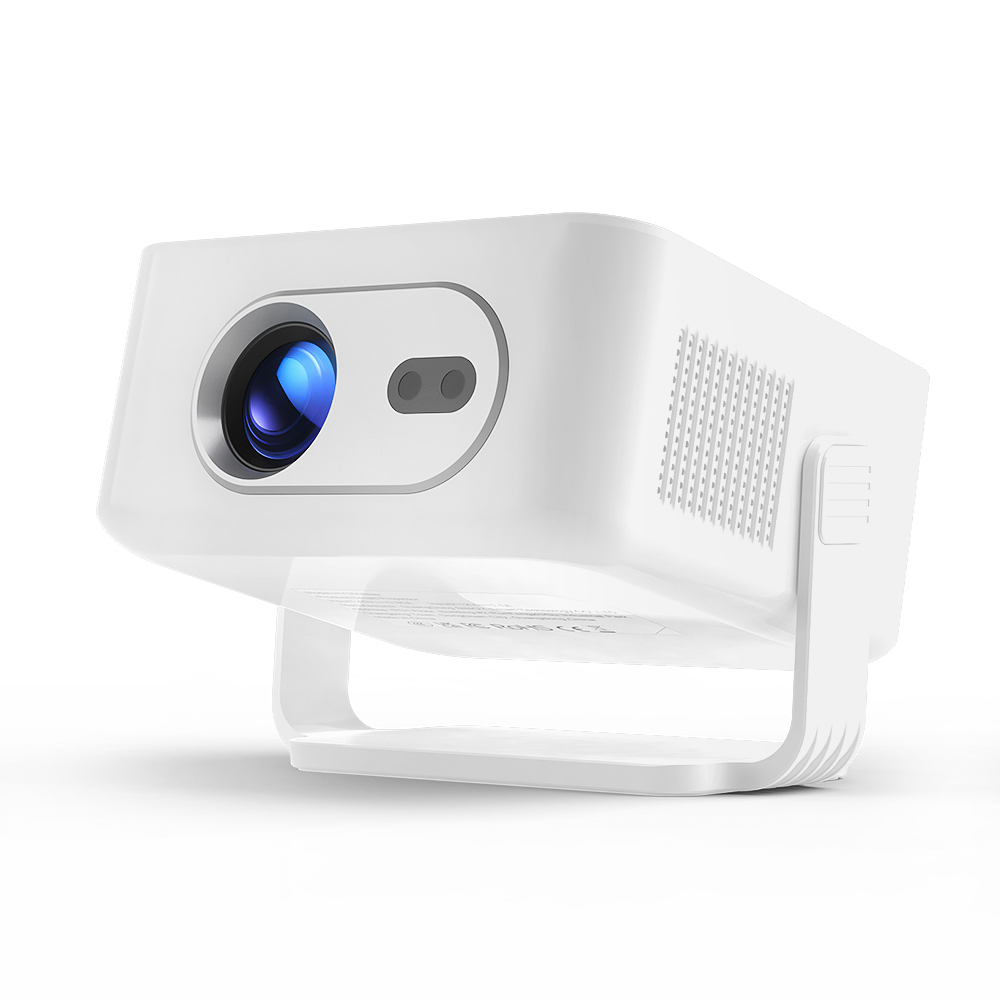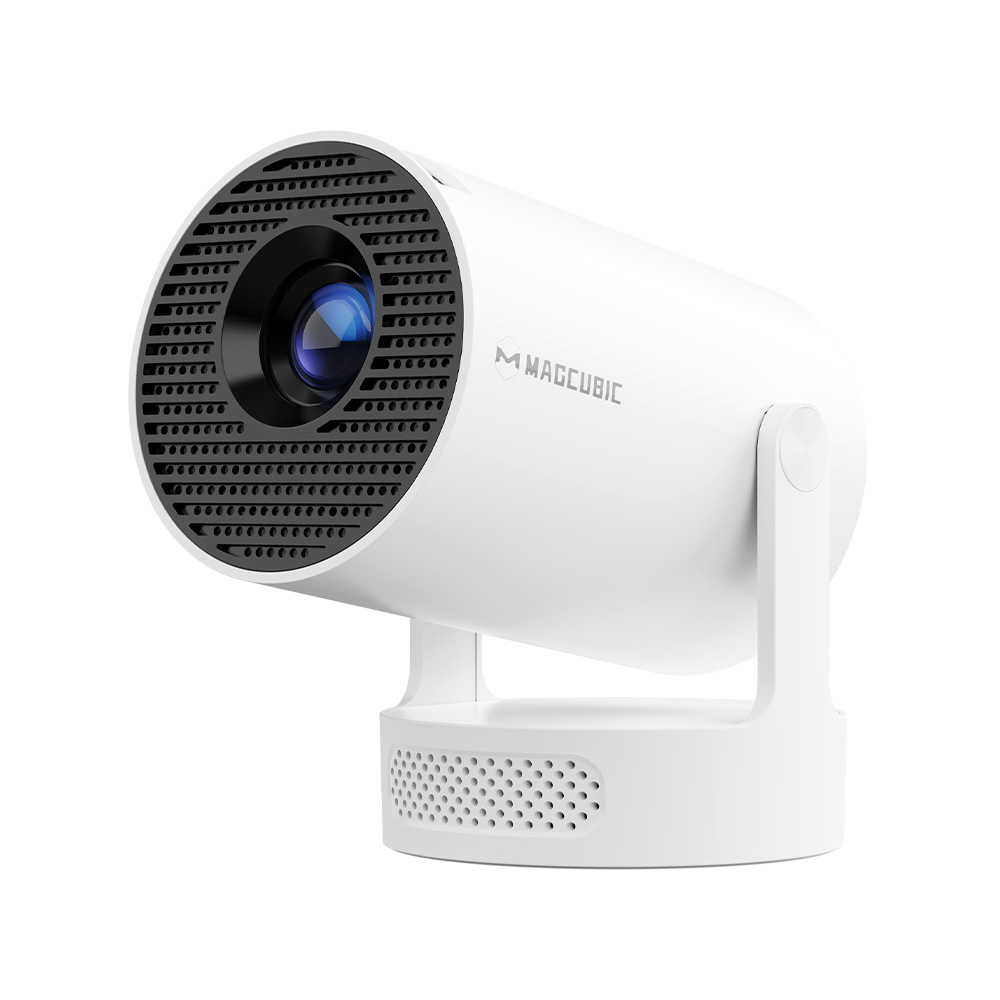
When shopping for a projector, many people assume that the more expensive option is automatically better for everything, especially for watching movies in the living room. That’s a common mistake.
The truth is that many types of projectors are broadly classified into commercial projectors and home projectors. It isn’t about price—it’s about purpose.
Understanding this fundamental difference will help you avoid wasting money on the wrong device. Magcubic helps you understand this fundamental difference, enabling you to avoid wasting money on the wrong device.
2. Key Differences Between Home and Commercial Projectors
2.1 Image Quality: Immersion vs Clarity
A home projector focuses heavily on delivering a cinematic experience. It emphasizes:
- High contrast ratios, especially with HDR support, to reveal details in dark scenes
- Wide color gamut (such as Rec.709 or DCI-P3) for more realistic and vibrant colors
- Increasing adoption of 4K resolution for sharper images
In contrast, a commercial projector prioritizes clarity over visual richness:
- Sharp text and edge definition for slides and spreadsheets
- Less emphasis on color accuracy or cinematic depth
- Optimized for readability rather than immersion
In simple terms: one is like a home theater, the other is a presentation tool.
2.2 Brightness and Ambient Light Performance
A home projector typically ranges from 1500 to 3000 lumens:
- Best used in a dark or dimly lit room
- Lower brightness helps preserve contrast and deeper blacks
A commercial projector usually starts at 3500 lumens or higher:
- Designed for bright environments like offices or classrooms
- Ensures visibility even with lights on
It is worth noting that using a commercial projector in a dark room may actually result in degraded image quality—specifically, the black areas of the image may take on a grayish cast, and prolonged viewing can easily lead to eye strain. Therefore, commercial projectors should be used in well-lit environments.
2.3 Aspect Ratio and Content Optimization
A home projector generally uses a 16:9 aspect ratio, which matches movies, TV shows, and most streaming content.
A commercial projector, on the other hand, often uses:
- 16:10
- 4:3
These formats are better suited for PowerPoint presentations, spreadsheets, and documents.
2.4 Connectivity and Compatibility
Connectivity also differs significantly between the two.
A home projector is built for entertainment ecosystems:
- HDMI ports for gaming consoles and streaming devices
- ARC (Audio Return Channel) for sound systems
- Built-in smart platforms or streaming apps
Meanwhile, a commercial projector focuses on flexibility in professional environments:
- VGA ports for legacy devices
- Multiple HDMI inputs for switching presenters
- LAN ports for centralized control
- Wireless projection for quick screen sharing
2.5 Ease of Use vs Installation Flexibility
A home projector is designed for convenience:
- Auto focus
- Auto keystone correction
- Obstacle avoidance
- “Plug and play” experience
A commercial projector prioritizes installation versatility:
- Optical zoom
- Lens shift for precise alignment
- Better suited for ceiling mounting in meeting rooms
2.6 Maintenance and Durability
For a home projector, the focus is on comfort:
- Low noise levels to avoid disrupting movies
- Moderate usage patterns
For a commercial projector, durability is key:
- Dust-resistant design
- Stable performance during long sessions
- Consideration of lamp or light source replacement costs
3. Quick Comparison Table
| Feature | Home Projector | Commercial Projector |
|---|---|---|
| Purpose | Entertainment | Presentation & meetings |
| Brightness | 1500–3000 lumens | 3500+ lumens |
| Color & Contrast | High (cinematic) | Moderate (functional) |
| Resolution | Often 1080p / 4K | Focus on readability |
| Aspect Ratio | 16:9 | 16:10 / 4:3 |
| Smart Features | Yes | Limited |
| Installation | Easy setup | Flexible mounting |
| Noise Level | Low | Less critical |
4. How to Choose the Right Projector
- If you mainly watch movies, stream shows, or play games → choose a home projector
- If you need to present slides, run meetings, or teach → choose a commercial projector
- If you plan to use it during the day with ambient light → consider a brighter model
- If you want a balance of entertainment and work → look for a high-brightness home projector
5. Common Mistakes to Avoid
- “Higher brightness is always better” → Not true; it can hurt contrast and viewing comfort
- “Commercial projectors are more professional” → They’re not designed for entertainment
- “Home projectors can’t be used for work” → They can handle light office tasks just fine
6. Final Thoughts
Ultimately, if you are seeking an immersive, high-quality viewing experience, opt for a home projector. However, if you need to ensure image clarity, brightness, and device reliability in a professional setting, choose a commercial projector.
By prioritizing your actual needs—rather than focusing solely on price or technical specifications—you can make a much wiser investment.