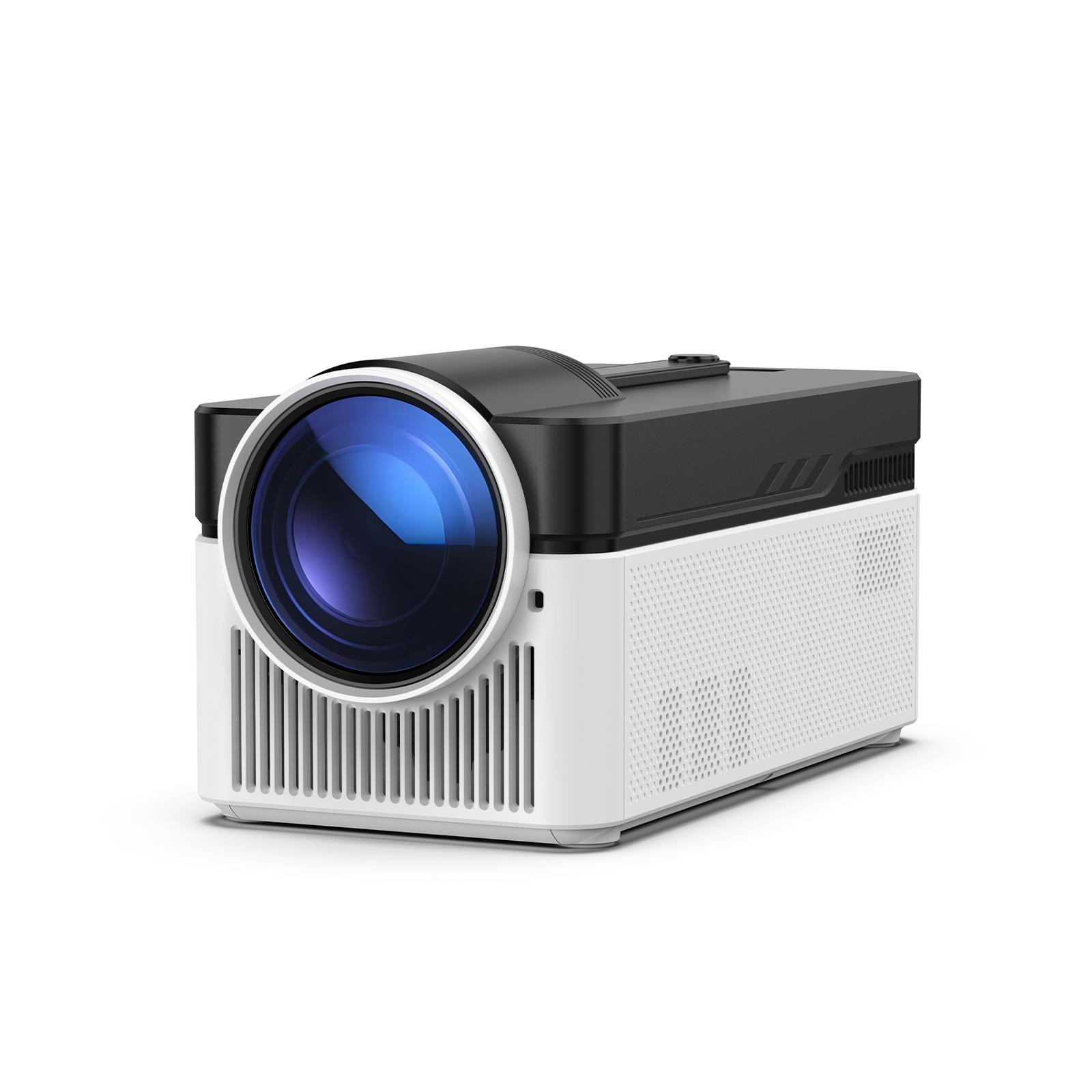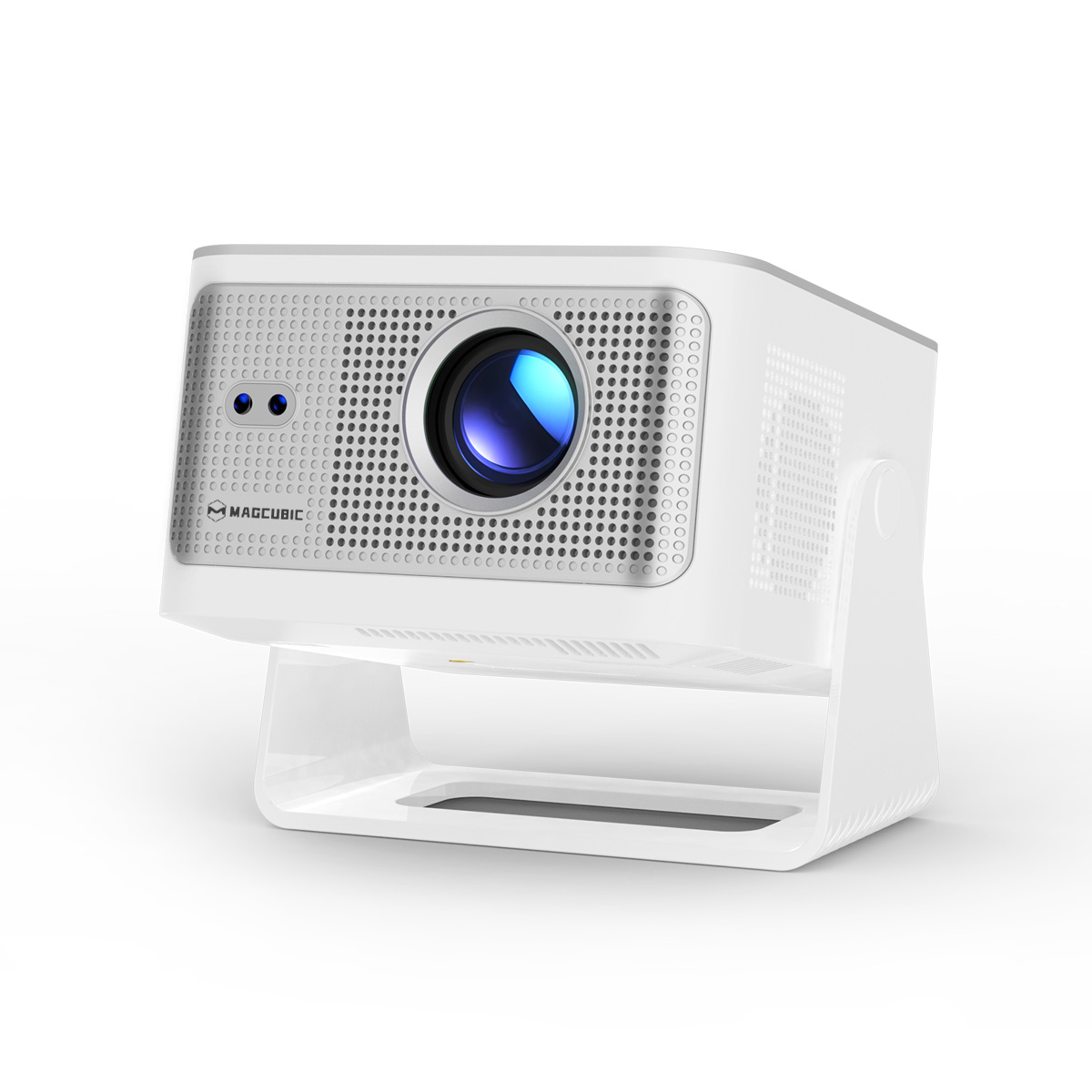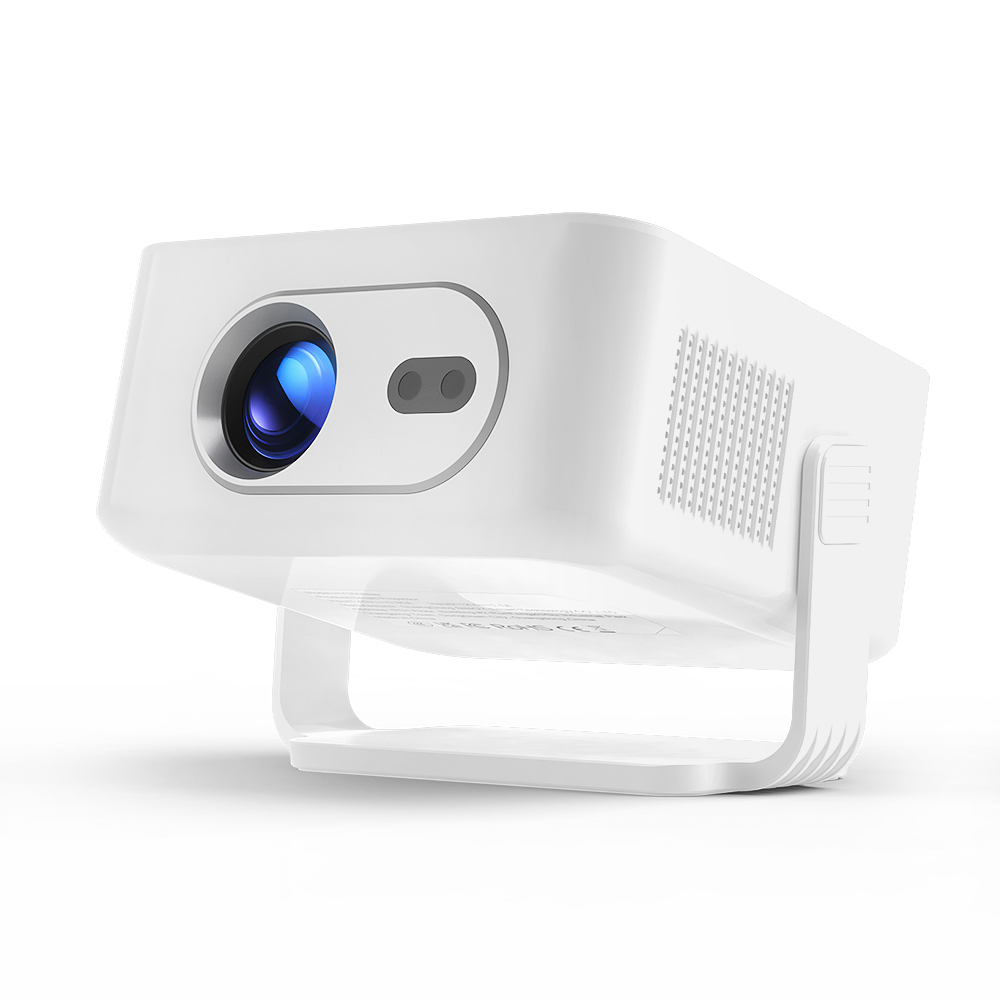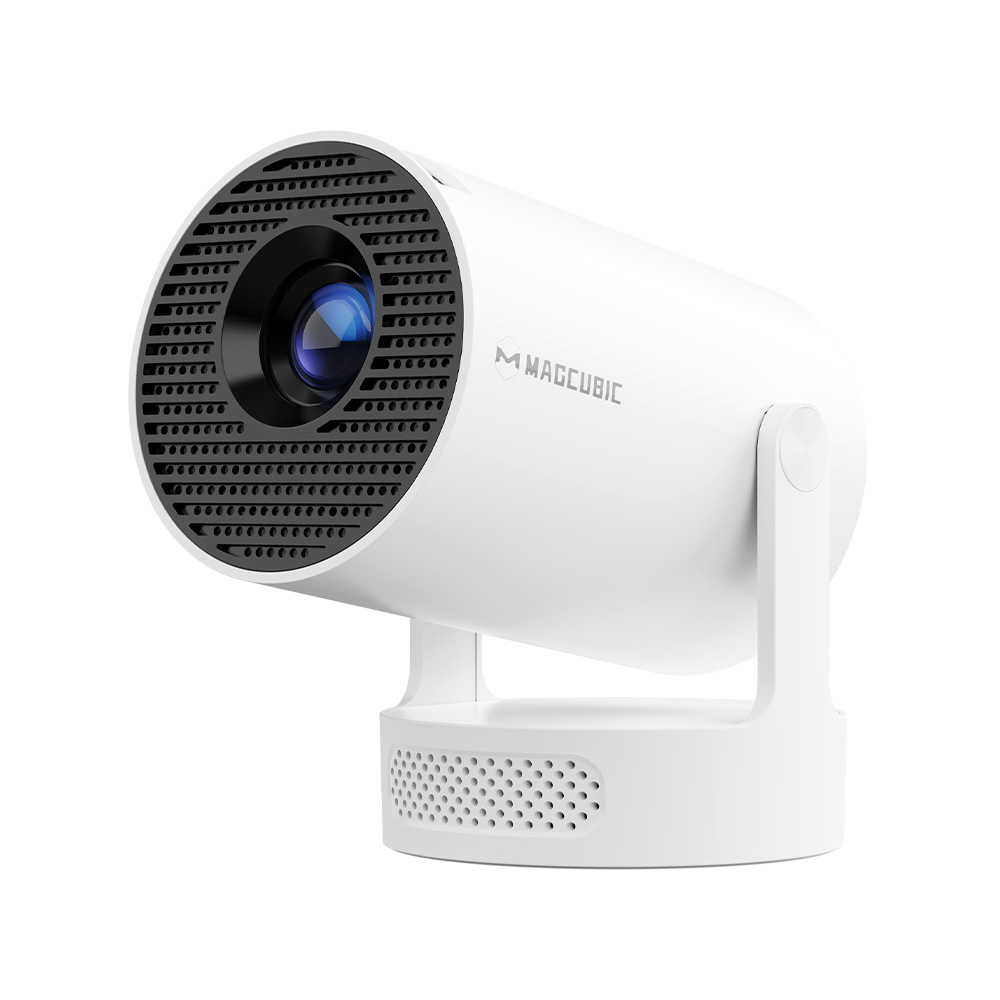
When shopping for a projector, both LCD and DLP models offer excellent value, often leaving consumers torn between the two: should you opt for an LCD projector with superior brightness and a more luminous image, or a DLP projector that offers slightly lower brightness but better contrast performance?
While a brighter image might seem like an obvious advantage, choosing the right projection technology is far more nuanced. Determining the "best" choice depends entirely on your room's ambient lighting conditions, the content you plan to watch, and your budget. Magcubic will delve into the mechanics, pros, and cons of these two mainstream technologies to help you make an informed purchasing decision.
.png)
Understanding the Technology: LCD vs. DLP
Understanding the principles behind how LCD and DLP technologies project images onto a wall or screen can be very helpful for consumers when choosing a projector.
What is an LCD projector?
Liquid Crystal Display (LCD) technology operates similarly to flat-panel televisions. LCD projectors utilize three separate liquid crystal panels (corresponding to the primary colors: red, green, and blue). A powerful light source passes through these panels to produce a final image with vibrant colors. Because the light path is completely open, LCD projectors excel at delivering high brightness output.
What is a DLP projector?
Digital Light Processing (DLP) technology relies on a completely different operating mechanism. DLP projectors use a chip covered with millions of tiny mirrors—known as a Digital Micromirror Device (DMD). These mirrors control whether a pixel is "on" or "off" by tilting toward or away from the light source. To produce color, most consumer-grade DLP models direct light onto a high-speed rotating color wheel before it reaches the micromirror chip.
Why LCD Usually Wins the Lumens War
If your primary concern is overpowering ambient light in a living room or a conference room, a bright LCD projector is generally your safest bet.
- Equal Color and White Brightness: LCD technology outputs color brightness and white brightness at the exact same level. This means colors look punchy, vivid, and saturated even when the blinds are open.
- High Lumen Efficiency: Because the light doesn't have to pass through a spinning wheel filter, an LCD projector maximizes its lamp or laser efficiency, delivering higher measurable ANSI lumens for the price.
On the flip side, a standard DLP projector often suffers from a gap between its white brightness and color brightness. Because of the color wheel segments, the colored parts of the image might appear noticeably dimmer than pure white areas.
Advantages of DLP Projectors
Brightness is not the only factor determining image quality. If you are setting up a dedicated home theater with controlled lighting, a DLP projector with lower brightness might actually deliver a superior viewing experience.
- Deep Black Levels and Contrast: Because DLP mirrors can tilt completely away from the lens, they are excellent at cutting off light. This results in deeper blacks and higher native contrast ratios. A bright LCD can sometimes suffer from "light leakage," turning dark night scenes into a muddy gray.
- Seamless Motion Handling: DLP chips have an incredibly fast pixel response time. If you are an avid gamer or a sports fan, a DLP projector provides razor-sharp motion with virtually zero motion blur.
- The Rainbow Effect Warning: It's worth noting that because of the spinning color wheel, some sensitive viewers might notice momentary flashes of red, green, and blue (the "rainbow effect") on a DLP system.
Side-by-Side Comparison
| Feature | LCD Projector | DLP Projector |
|---|---|---|
| Ideal Environment | Bright rooms, classrooms, offices | Dark home theaters, gaming setups |
| Color Vibrancy | Excellent; high color brightness | Good, but can be muted in brighter rooms |
| Contrast & Blacks | Moderate (can look washed out) | Excellent (deep, rich blacks) |
| Maintenance | Requires dust filter cleaning | Sealed optics (low maintenance) |
FAQ
1. Which technology is better for a home theater setup?
For a dark home theater, a DLP projector wins due to its superior contrast and cinema-like black levels. If your room has ambient light, choose a bright LCD projector instead.
2. Do LCD or DLP projectors last longer?
DLP models often last longer with less hassle because their sealed optical engine prevents dust buildup. An LCD projector requires regular filter cleaning to avoid overheating.
3. Can I get a 4K projector in both LCD and DLP?
Yes. Both offer 4K options, but a DLP projector usually uses budget-friendly pixel-shifting for sharpness, while 4K LCD models offer great color but can be bulkier.
4. Does the "rainbow effect" happen on all DLP projectors?
No. It only affects single-chip DLP projector models with spinning color wheels. High-end 3-chip or laser DLP models eliminate this issue entirely.
Verdict: Which One Should You Buy?
Your choice depends entirely on your environment: choose a bright LCD projector if you need daytime viewing in vibrant, ambient-lit rooms, or opt for a dimmer DLP projector if you want deep contrast, smooth gaming motion, and low maintenance in a dark home theater setup.
As a professional supplier, Magcubic manufactures high-quality LCD projector models designed to drive your business growth. We support wholesale distribution, OEM services, ODM customization, and technical collaboration with direct, highly competitive factory wholesale pricing that eliminates middlemen. Partner with Magcubic today to boost your profit margins!