When walking into a movie theater, the massive screen is often the very first thing that blows you away. Whether it is a massive explosion in an action blockbuster or a cosmic vista in a sci-fi film, a cinema screen delivers an immersive experience that a regular TV simply cannot match.
But many people wonder: just how big is a movie theater screen?
In reality, there is no fixed standard for theater screen sizes. Depending on the type of theater, the size of the auditorium, and the projection technology used, screens can range from a few dozen feet to over a hundred feet wide.
This article breaks down the actual sizes of movie theater screens and shares practical tips on how to recreate that cinematic magic right at home.
.png)
What is the Average Movie Theater Screen Size?
A movie theater screen's size depends primarily on the scale of the auditorium. The difference in screen size between small independent theaters, standard commercial cinemas, and premium large-format auditoriums is quite significant.
Generally, theater screens fall into the following ranges:
| Theater Type | Screen Width | Screen Height |
|---|---|---|
| Small Theater | 20–40 feet | 10–20 feet |
| Standard Cinema | 40–60 feet | 20–30 feet |
| Large Auditorium | 60–80+ feet | 30+ feet |
Most commercial movie theaters use screens that are 40 to 60 feet wide. This size easily satisfies the viewing needs of most audiences and pairs perfectly with standard digital projection systems. Meanwhile, IMAX premium large-format screens can reach 100 feet or even wider.
However, theaters do not just aim for "the bigger, the better." Screen size must be carefully balanced with the room's total area, seating capacity, and the audience's viewing distance. For instance, an auditorium with 300 seats will naturally feature a much larger screen than an intimate 50-seat room.
What is the Difference Between Standard Cinema and IMAX Screens?
While both standard commercial theaters and IMAX theaters show movies, they offer very different screen sizes and viewing experiences.
| Comparison Item | Standard Cinema | IMAX Theater |
|---|---|---|
| Screen Size | 40–60 feet | 60–100+ feet |
| Image Scale | Standard theater experience | Ultra-large immersive experience |
| Visual Impact | Strong | Highly breathtaking |
| Best Suited For | Regular movies | Sci-fi, action, and blockbuster movies |
Standard theaters provide a great everyday movie-going experience, whereas IMAX feels more like a visual feast.
Standard Cinema: When designing a standard theater, engineers calculate the optimal viewing distance based on the seating layout. If the screen is too small, rows in the back will feel less engaged; if it is too large, front-row viewers will have to constantly turn their heads, causing discomfort.
IMAX Theater: IMAX is a premium large-scale film format famous for its massive screens, high resolution, and intense sense of immersion.
IMAX delivers such a breathtaking experience not just because the screen is larger, but because it combines:
- Much brighter projection systems
- A taller, wider aspect ratio
- A more powerful, tailored sound system
- A significantly wider field of view
Because of this, when you watch a sci-fi epic, an action blockbuster, or a nature documentary, IMAX makes you feel like you are actually stepping into the scene.
Why Do Movie Theaters Need Such Big Screens?
1. Filling Your Field of View to Create Immersion
A single human eye has a visual field of about 160°, and both eyes combined give us a total field of view (FOV) close to 200°.
When you sit in the "sweet spot" of a movie theater, the massive screen fills your peripheral vision, taking up roughly 45° to over 60° of your view. This wrapping effect tricks your brain into thinking you are inside the world of the movie—a sense of presence that TVs or smartphones simply cannot provide.
2. Restoring 1:1 Realistic Detail and Visual Power
A massive screen scales up image details to life-size or even larger-than-life proportions. The vastness of space in Interstellar or the endless deserts in Dune require a massive canvas to convey the breathtaking scale and epic grandeur that make us feel beautifully small.
3. Complementing Multi-Channel Surround Sound
If you look closely at a movie theater screen, it is actually covered in millions of tiny holes called sound perforations. The main speakers and subwoofers are hidden directly behind the screen. Sound travels through these micro-holes straight to the audience. This allows for true audio-visual alignment—when a character talks on the left side of the screen, the sound literally comes from that exact spot. Achieving this precise spatial audio tracking requires a large physical screen and space.
.png)
How to Set Up a Theater-Like Screen Experience at Home
1. Choosing the Right Home Theater Screen Size
Many people think that bigger is always better for a home theater, but the ideal screen size actually depends on your room size, seating distance, and layout. A screen that is too small ruins the theater vibe, while a screen that is too large causes eye strain and makes it harder to take in the whole picture.
Here are the recommended screen sizes based on room types:
| Room Type | Recommended Screen Size |
|---|---|
| Bedroom / Small Room | 80–100 inches |
| Standard Living Room | 100–120 inches |
| Dedicated Home Theater Room | 120+ inches |
Viewing distance is just as critical as room size. Sitting too close to a massive screen causes eye fatigue, and you might start noticing individual pixels or image flaws. Sitting too far away, however, dampens the visual impact.
A good rule of thumb:
- A 100-inch screen is ideal for a viewing distance of about 2.5–3 meters (8–10 feet).
- A 120-inch screen is better suited for a viewing distance of about 3–3.5 meters (10–11.5 feet).
Therefore, do not just buy the absolute largest screen. Choose a size that perfectly balances immersion with comfort for your specific space.
2. Using a Projector for a Cinema-Grade Screen
If you want a truly massive, theater-like picture at home, a projector handles this much better than a TV. While standard TVs usually top out between 65 to 85 inches, home projectors can easily hit 150 inches or more.
How to Choose the Right Home Theater Projector
To get a true cinema experience, selecting the right projector matters. Beyond the maximum image size, you should focus on resolution, brightness, and the type of projection style that fits your space.
A. Resolution: Dictates Picture Clarity
Resolution determines how crisp and detailed your picture looks. Most home theater projectors today offer either 1080P or 4K:
- 1080P Projectors: These handle everyday movie watching perfectly and are great for buyers on a budget or those setting up their first home theater.
- 4K Projectors: These look much closer to a real movie theater. They reveal incredible details, which is especially noticeable when watching high-definition movies, nature documentaries, or very large images, though they do come at a higher price point.
B. Brightness: Affects Performance under Different Lighting
A projector’s brightness determines how well the image holds up against ambient room light. It is measured in lumens:
- 200–1,000 Lumens: Best for dark bedrooms or small dedicated media rooms where you can completely control the light.
- 1,000–2,000 Lumens: Great for most residential living rooms, as it can handle a moderate amount of ambient light.
- 3,000+ Lumens: Ideal for daytime viewing, large living rooms, or users who prefer a highly vibrant picture.
Tip: If you can use blackout curtains or dark paint to control the light in your room, you can focus more on the projector's color performance, contrast ratio, and deep black levels rather than just raw brightness.
C. Projection Style: Determines Installation Flexibility
The three most common projector setups for home theaters are standard throw, ultra-short throw, and laser projectors:
- Standard Throw Projectors: These require a fair amount of distance from the screen, making them ideal for larger living rooms or dedicated spaces. Generally, to get a 100-inch image, you need about 2.5–3 meters of space between the projector and the wall. They offer flexible mounting options and pair well with various screens.
- Ultra-Short Throw (UST) Projectors: These can project a massive 100-inch+ image while sitting just 20–50 centimeters away from the wall. Their biggest advantage is saving space, making them perfect for standard living rooms and small apartments.
- Laser Projectors: Utilizing a laser light source, these offer a much longer lifespan and incredibly stable brightness over time. They are the premium choice for users looking to invest in a long-term, high-quality home theater.
3. Choosing the Right Screen to Boost Picture Quality
Home theater screens generally fall into three categories: white, gray, and ambient light rejecting (ALR). Each serves a different environment:
- White Screens: The most common type. They offer excellent, natural color reproduction and are perfect for pitch-black, dedicated home theater rooms where light is fully controlled.
- Gray Screens: These boost contrast by absorbing ambient light, which helps deliver deeper blacks and better shadow details. This is an excellent choice for movie enthusiasts looking for a richer, more cinematic feel.
- Ambient Light Rejecting (ALR) Screens: Specifically engineered for living rooms with complex lighting environments, ALR screens deflect overhead light and side glare. They keep the picture bright and clear even during the day or with the lights on, making them a must-have for open living spaces.
4. Upgrading Your Sound System to Match the Visuals
True immersion is a team effort between great pictures and great sound. Clear dialogue, deep rumbling bass, and accurate surround sound details bring a movie to life.
Entry-Level Setup: Soundbar
Soundbars are simple to install and take up very little space, making them perfect for standard living rooms. While they do not create a fully independent surround sound field, they offer a massive audio upgrade over built-in TV speakers.
Mid-Range Setup: 5.1 Surround Sound System
A 5.1 system features left, right, and center speakers, two rear surround speakers, and a dedicated subwoofer. It provides distinct directional audio, making dialogue, background scores, and sound effects feel incredibly realistic. This is the go-to choice for a true home theater.
Premium Setup: 7.1.4 Dolby Atmos System
Dolby Atmos adds overhead ceiling channels to create a highly accurate, three-dimensional audio environment. It realistically mimics effects like a plane flying overhead or rain falling around you, making it the ultimate choice for enthusiasts seeking a commercial-cinema experience.
Recommended Home Theater Projectors
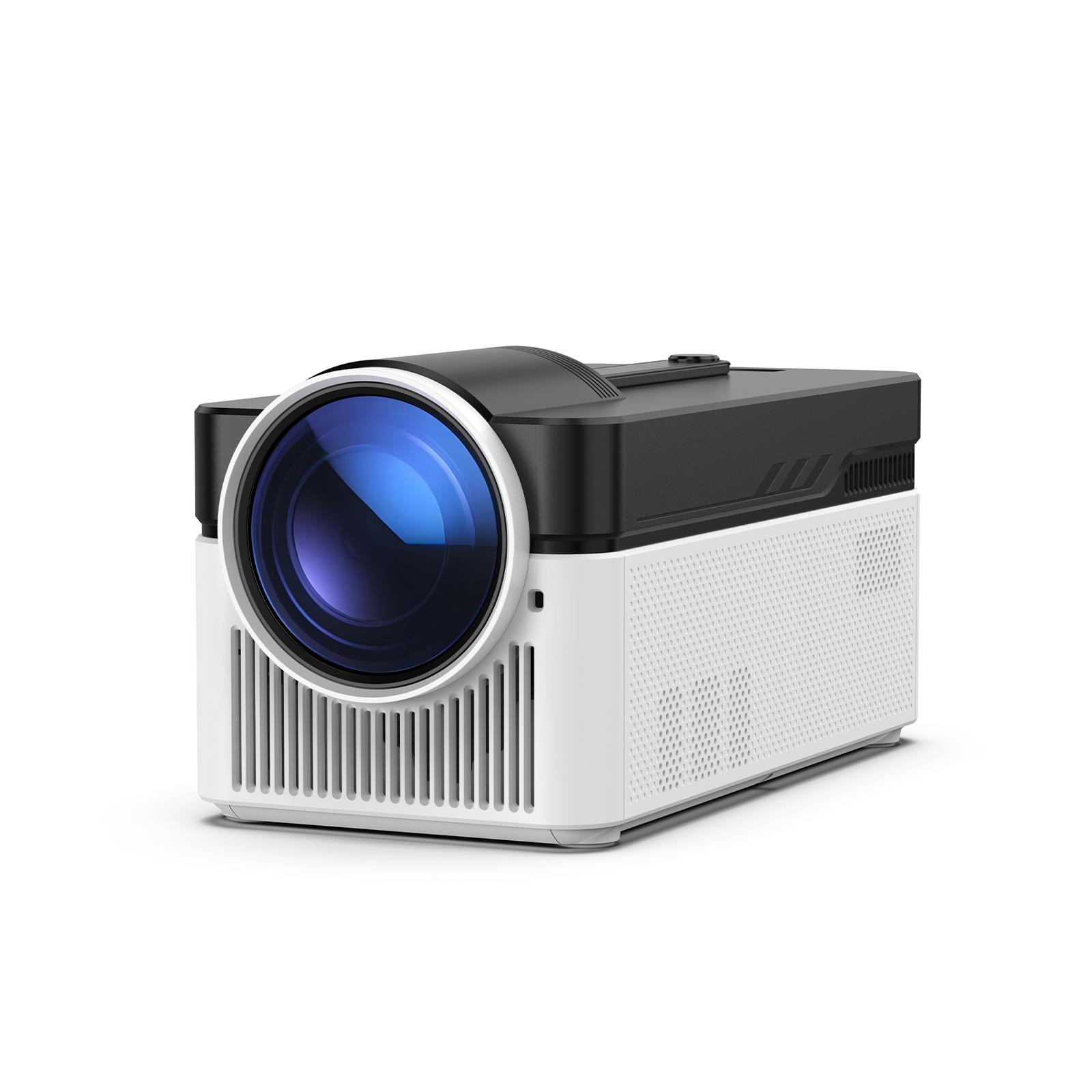
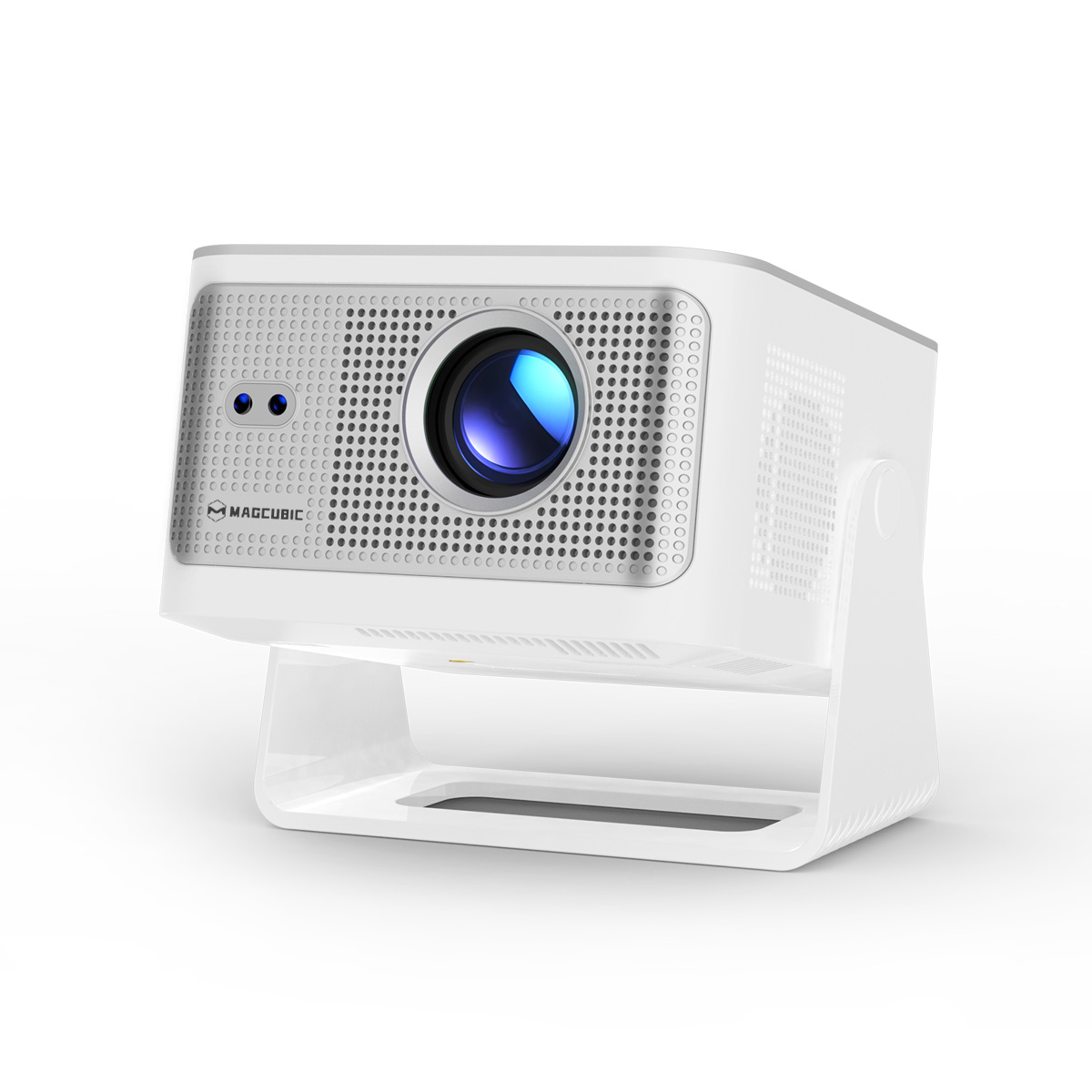
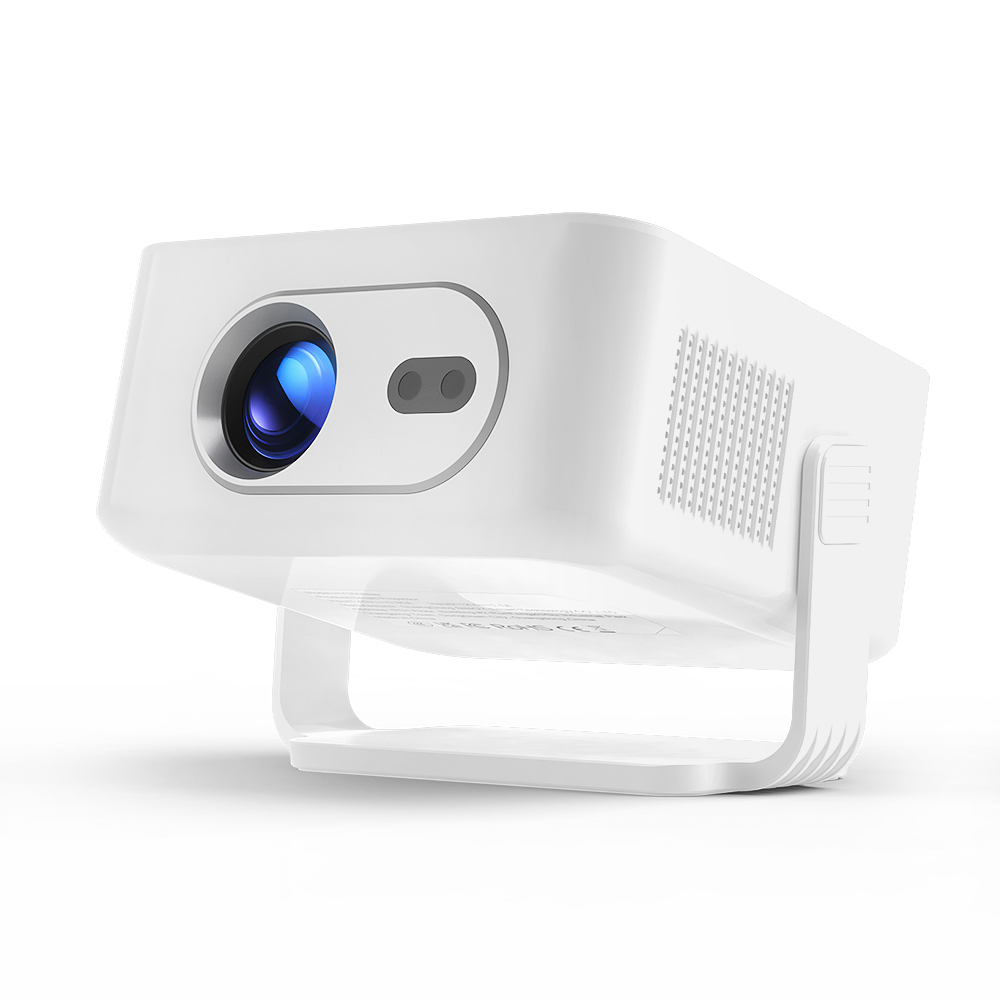
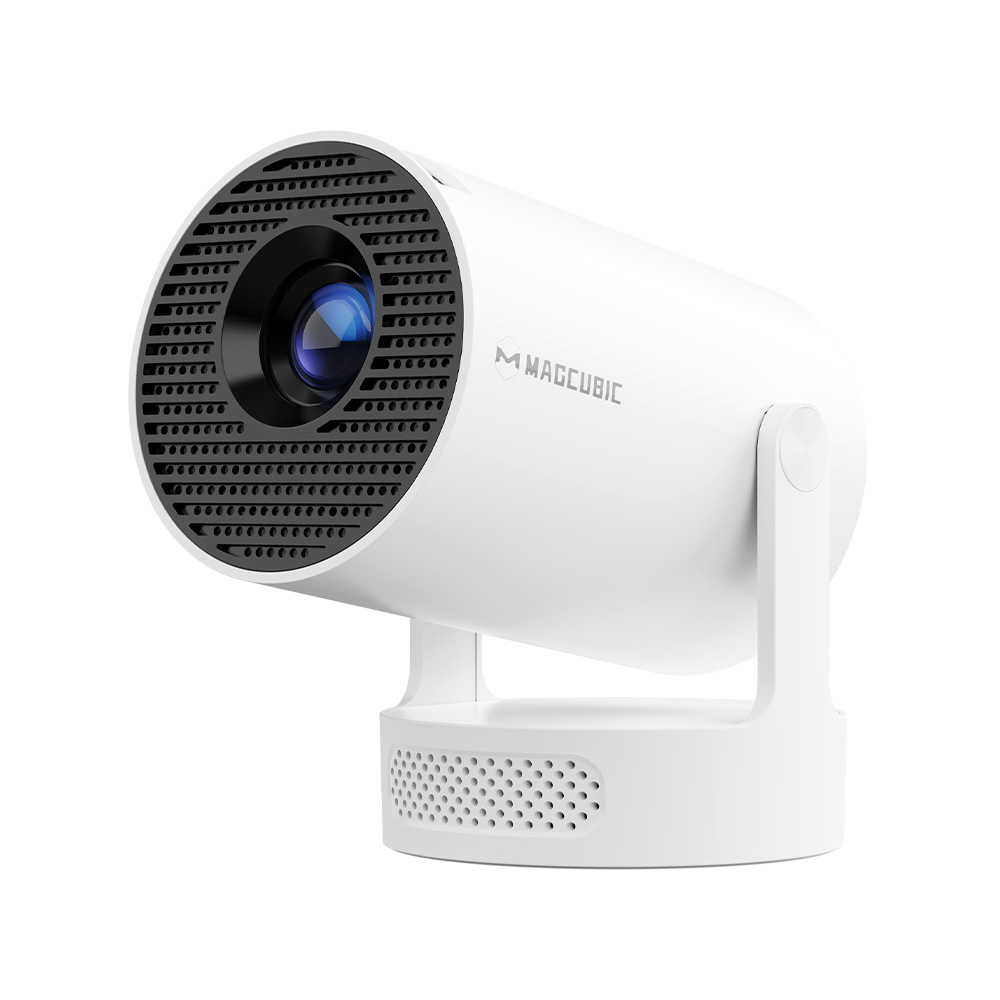
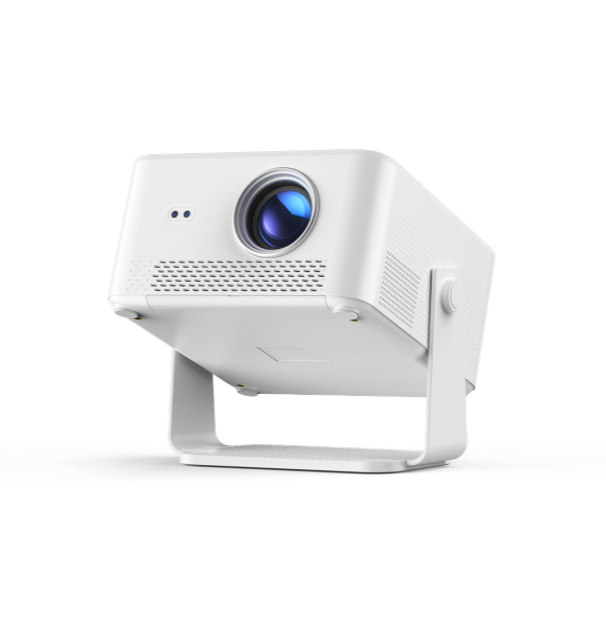
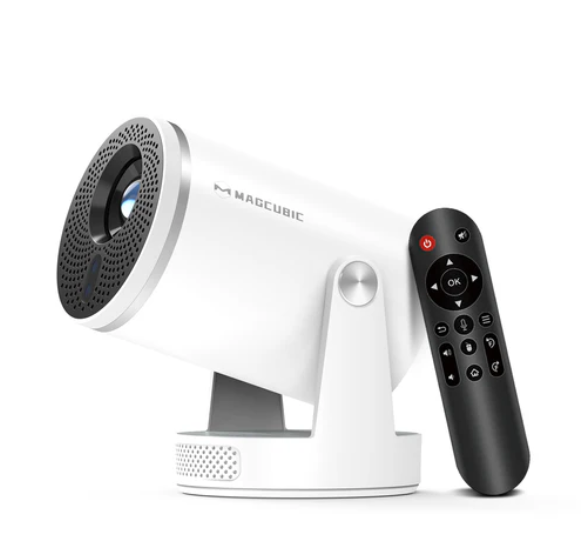
If you are looking for an affordable, user-friendly projector that delivers a massive screen experience without breaking the bank, the Magcubic HY450Max and Magcubic HY320Pro are two excellent value choices.
Magcubic HY450Max: Best for Living Room Theater Experiences
The Magcubic HY450Max is a high-performance projector built for home entertainment. It is ideal for users who want to replicate a true cinema screen scale right in their living room.
- Massive Screen Capability: Supports projection sizes up to 140 inches and beyond, easily creating a commanding home theater space.
- 800 Lumens Brightness: Offers strong brightness performance for its class, keeping the picture clear and visible even in living rooms with minor ambient light.
- 1080P Full HD Resolution: Delivers sharp, clear image quality that is perfect for movies, TV shows, live sports, and gaming.
- Built-in 12W Speaker: Provides decent standalone audio out of the box, making everyday casual viewing quick and convenient without requiring extra speakers.
If your goal is to build a large-screen theater setup in your main living space and you want a convenient device with reliable brightness and picture quality, the HY450Max is the right fit.
Magcubic HY320Pro: Best for Compact Spaces and Beginners
For bedrooms, small apartments, or spaces where room is limited, the Magcubic HY320Pro offers a highly flexible and portable big-screen solution.
- Flexible Screen Sizes: Supports a versatile projection range from 35 to 135 inches, allowing you to easily adjust the screen size to fit smaller rooms.
- 1080P HD Picture: Offers crisp, high-definition quality for everyday movies, streaming shows, and online videos.
- 300 Lumens Brightness: Tailor-made for light-controlled bedrooms or small cozy media spaces, providing a comfortable view in dimmer settings.
- Lightweight and Portable Design: Easy to set up, pack away, or move between different rooms whenever you want to change locations.
- User-Friendly Operation: An excellent, worry-free entry-level choice for anyone starting their home theater journey.
If you want to build a cozy, private theater space on a friendly budget, the HY320Pro is an excellent choice for smaller rooms.
Summary
The reason a movie theater screen feels so breathtaking is not just due to its raw size. It is the perfect harmony of a massive image, high resolution, professional sound, and intelligent room design working together.
While a standard home cannot replicate the physical scale of a commercial cinema, you can get incredibly close. By selecting the right screen size for your room, pairing it with a capable projector and screen, and optimizing your lighting and audio, you can enjoy a premium, immersive movie night whenever you want. Finding the gear that fits your unique space is the ultimate key to success.