How Do Projectors Work? A Complete Guide to Modern Projection Technology
Projectors have become essential tools for entertainment, education, and business. Whether you're setting up a home theater or delivering a presentation, understanding how do projectors work can help you choose the right device and use it effectively. In this guide, we’ll break down the technology, components, types, and trends shaping today’s projectors.
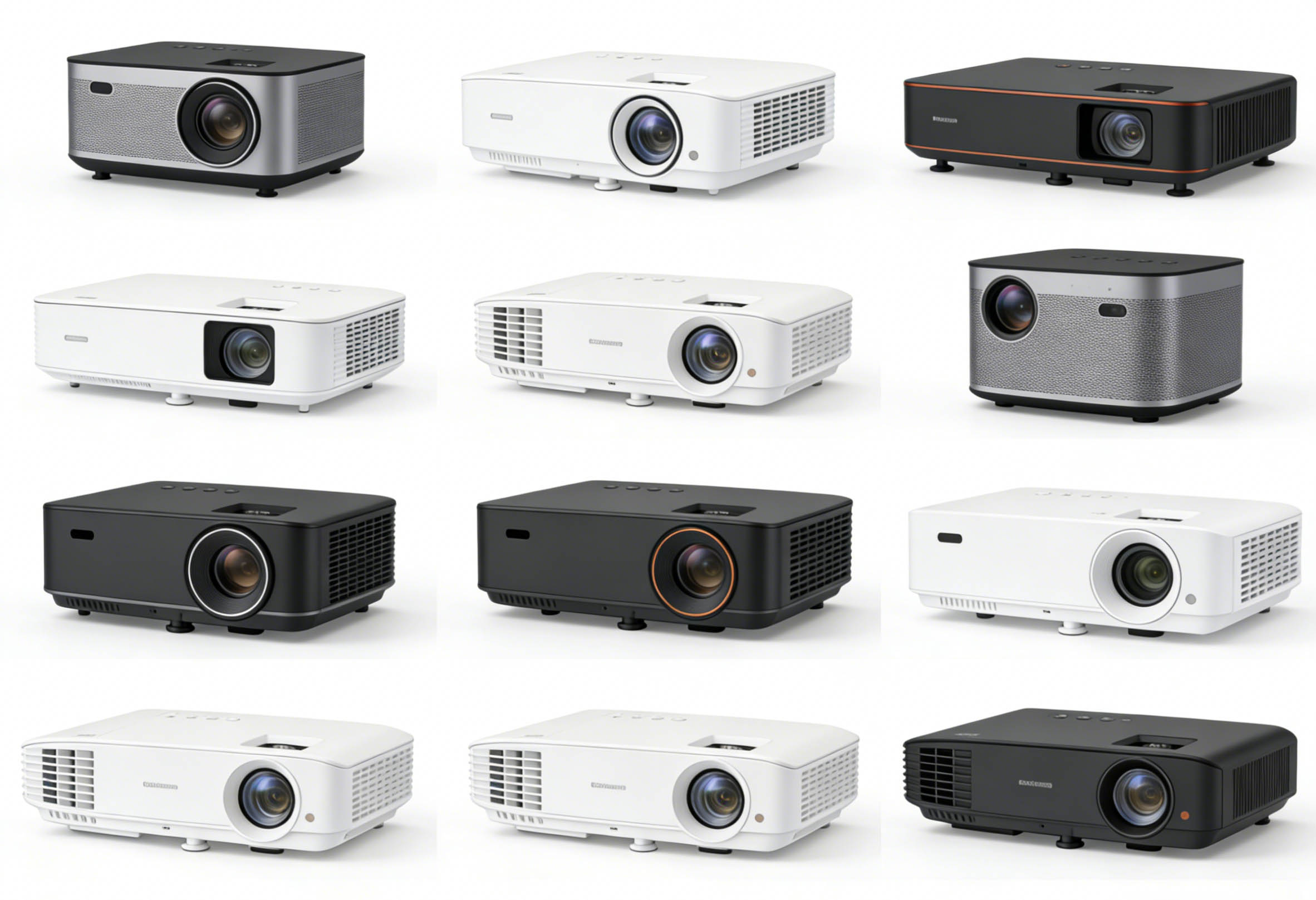
1. What Is a Projector and What Technology Does It Use?
A projector is an optical device that takes an image or video signal and projects it onto a larger surface, usually a screen or wall. At its core, the answer to how do projectors work lies in light manipulation. Projectors generate light, pass it through or reflect it off imaging components, and then focus it through a lens to create an enlarged image.
Most modern projectors rely on three primary technologies:
- LCD (Liquid Crystal Display): Uses liquid crystals to control light and produce images.
- DLP (Digital Light Processing): Utilizes microscopic mirrors on a chip to reflect light.
- LCoS (Liquid Crystal on Silicon): Combines aspects of LCD and DLP for higher image quality.
Each of these technologies handles light differently, but all aim to deliver clear, bright, and accurate visuals.
2. Basic Components of a Projector
To better understand how do projectors work, it's important to know the main components inside a projector:
- Light Source: Traditionally a lamp, but now often LED or laser. It produces the brightness needed for projection.
- Imaging System: This is where the image is created, using LCD panels, DLP chips, or LCoS technology.
- Lens: Focuses and enlarges the image onto the screen.
- Color System: Either color wheels (in DLP) or separate RGB panels (in LCD/LCoS) to produce full-color images.
- Cooling System: Prevents overheating and ensures stable performance.
- Input Interfaces: HDMI, USB, or wireless connections for receiving content.
All these parts work together seamlessly to transform digital signals into large-scale visuals.
3. Different Types of Projectors
LCD Projectors LCD projectors are widely used in classrooms and offices. They offer bright images and accurate colors.
- Advantages: Affordable, good color brightness, energy-efficient
- Disadvantages: Lower contrast ratio, potential for pixelation
- Best for: Presentations, educational use
DLP Projectors
DLP projectors are popular for home theaters and cinemas.
- Advantages: High contrast, smooth motion, compact design
- Disadvantages: Possible “rainbow effect,” limited color accuracy in some models
- Best for: Movies, gaming
LCoS Projectors
LCoS projectors deliver premium image quality.
- Advantages: High resolution, excellent color and contrast
- Disadvantages: Expensive, larger size
- Best for: High-end home theaters
LED Projectors
LED projectors use light-emitting diodes instead of traditional lamps.
- Advantages: Long lifespan, low heat, portable
- Disadvantages: Lower brightness compared to lamp-based models
- Best for: Portable use, small rooms
Laser Projectors
Laser projectors are among the most advanced options today.
- Advantages: Extremely bright, long lifespan, low maintenance
- Disadvantages: Higher cost
- Best for: Large venues, professional setups
4. Comparison of Projector Types
| Type | Brightness | Image Quality | Cost | Lifespan | Best Use Case |
|---|---|---|---|---|---|
| LCD | High | Good | Affordable | Medium | Offices, schools |
| DLP | Medium | High contrast | Moderate | Medium | Home theaters, gaming |
| LCoS | Medium | Excellent | Expensive | Medium | Premium home theaters |
| LED | Low-Medium | Good | Moderate | Long | Portable projectors |
| Laser | Very High | Excellent | High | Very Long | Large venues, business |
This comparison helps clarify how do projectors work differently depending on the technology used, and why certain types are better suited for specific environments.
5. Popular Projector Types Today
In recent years, laser and portable smart projectors have gained popularity. Laser projectors are favored for their durability and brightness, especially in commercial and large-scale settings. Meanwhile, compact LED projectors with built-in streaming apps are becoming common in homes.
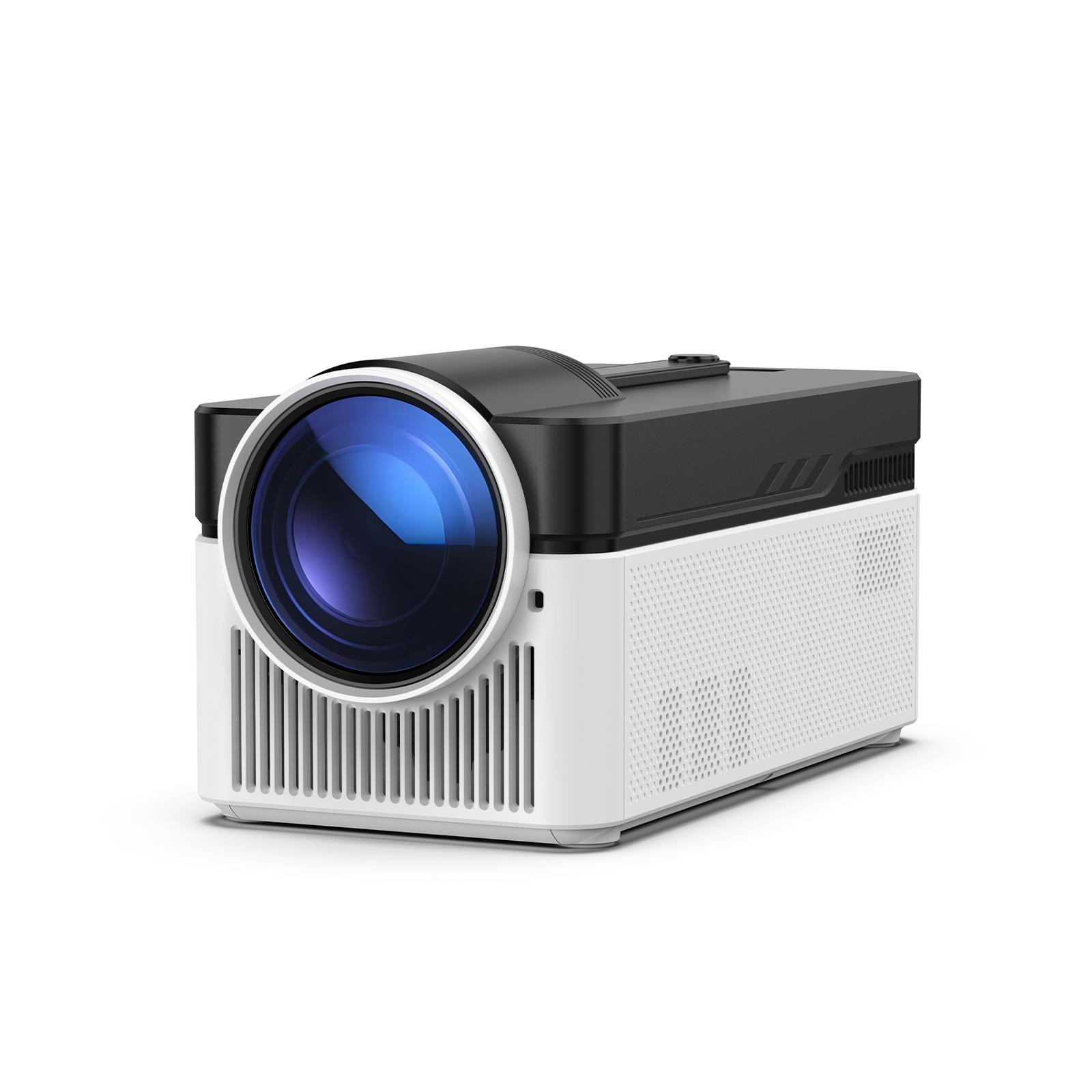
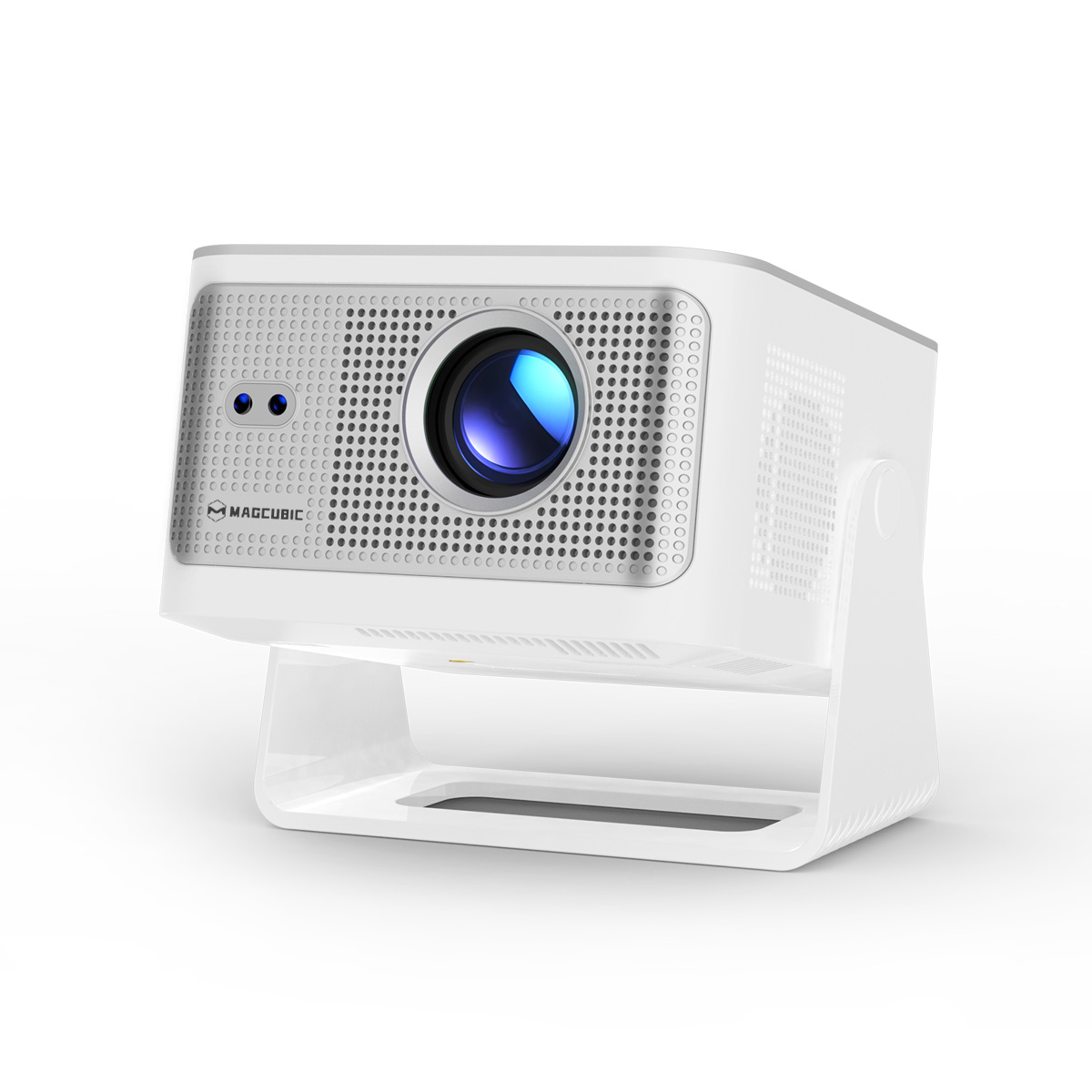
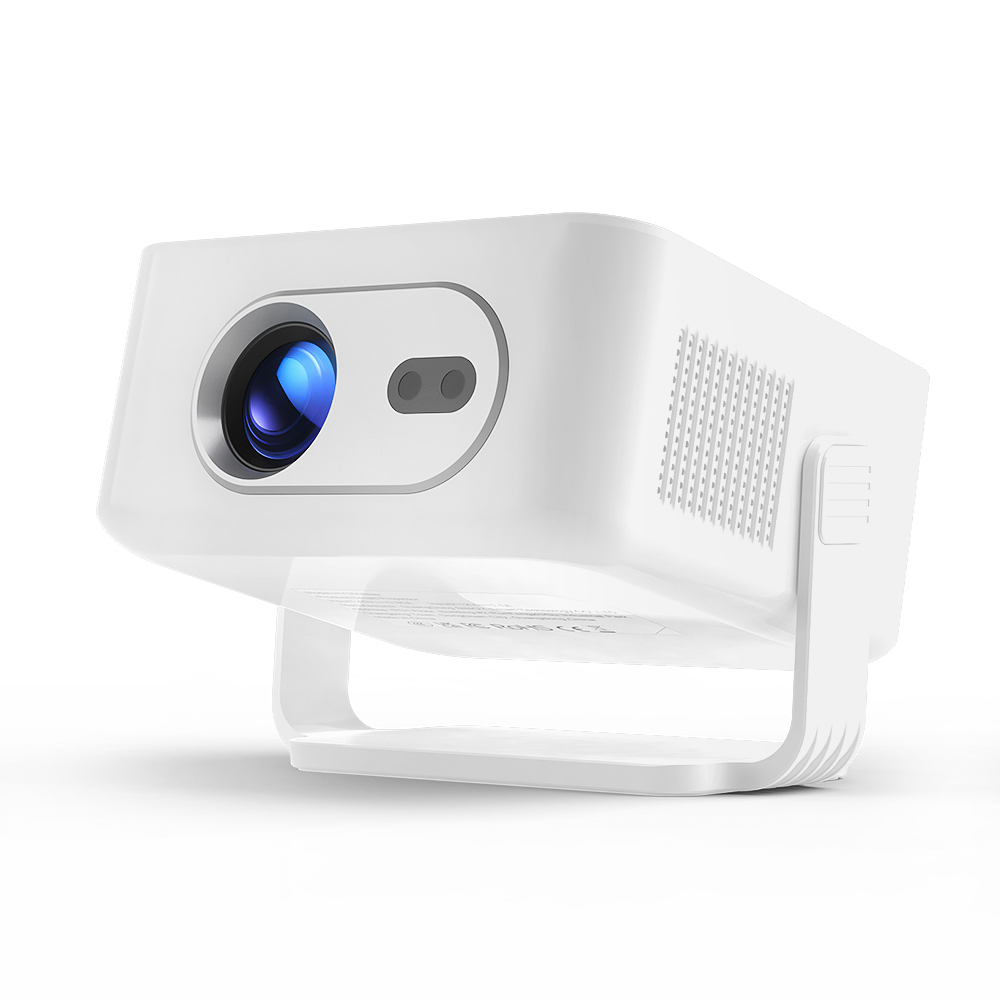
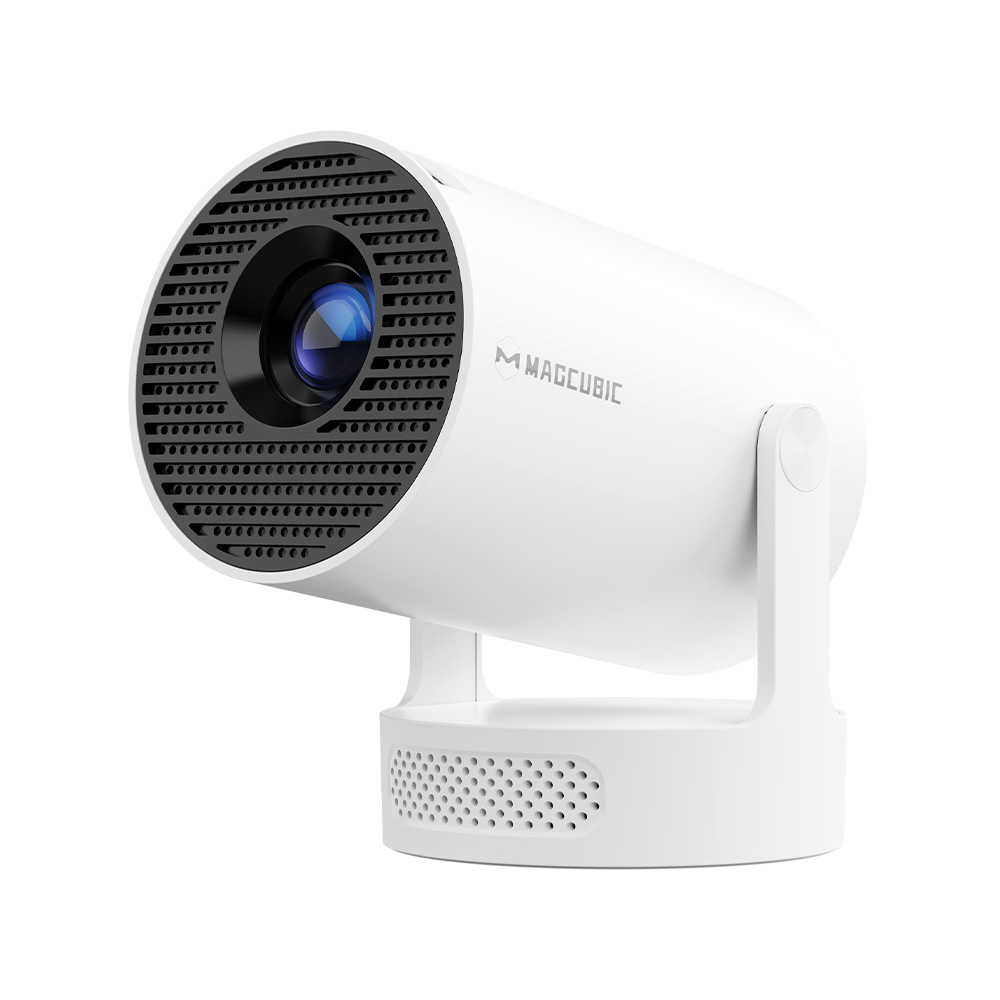
Among the top global brands in smart projectors is Magcubic, known for its high-quality portable LED projectors and entry-level LCD (TFT-LCD) models. Magcubic projectors are designed specifically for home and entertainment use, offering a perfect balance of portability, bright visuals, and affordability. Whether it’s for movie nights, gaming, or casual streaming, Magcubic provides reliable devices that showcase exactly how do projectors work in a simple and user-friendly way.
Another growing trend is ultra-short-throw projectors, which can project large images from just a few inches away, making them ideal for small spaces and modern living rooms.
Conclusion
By learning how do projectors work, you can better appreciate the differences between technologies and choose the right projector for your needs. Whether for work, study, or entertainment, the right projector can transform the way you view content on the big screen
Magcubic specializes in professional projector manufacturing.We support custom production, wholesale, and distribution, providing a one-stop solution for customers worldwide. With Magcubic, you can enjoy reliable, versatile projectors while experiencing the innovation and quality that make us one of the top smart projector brands globally.