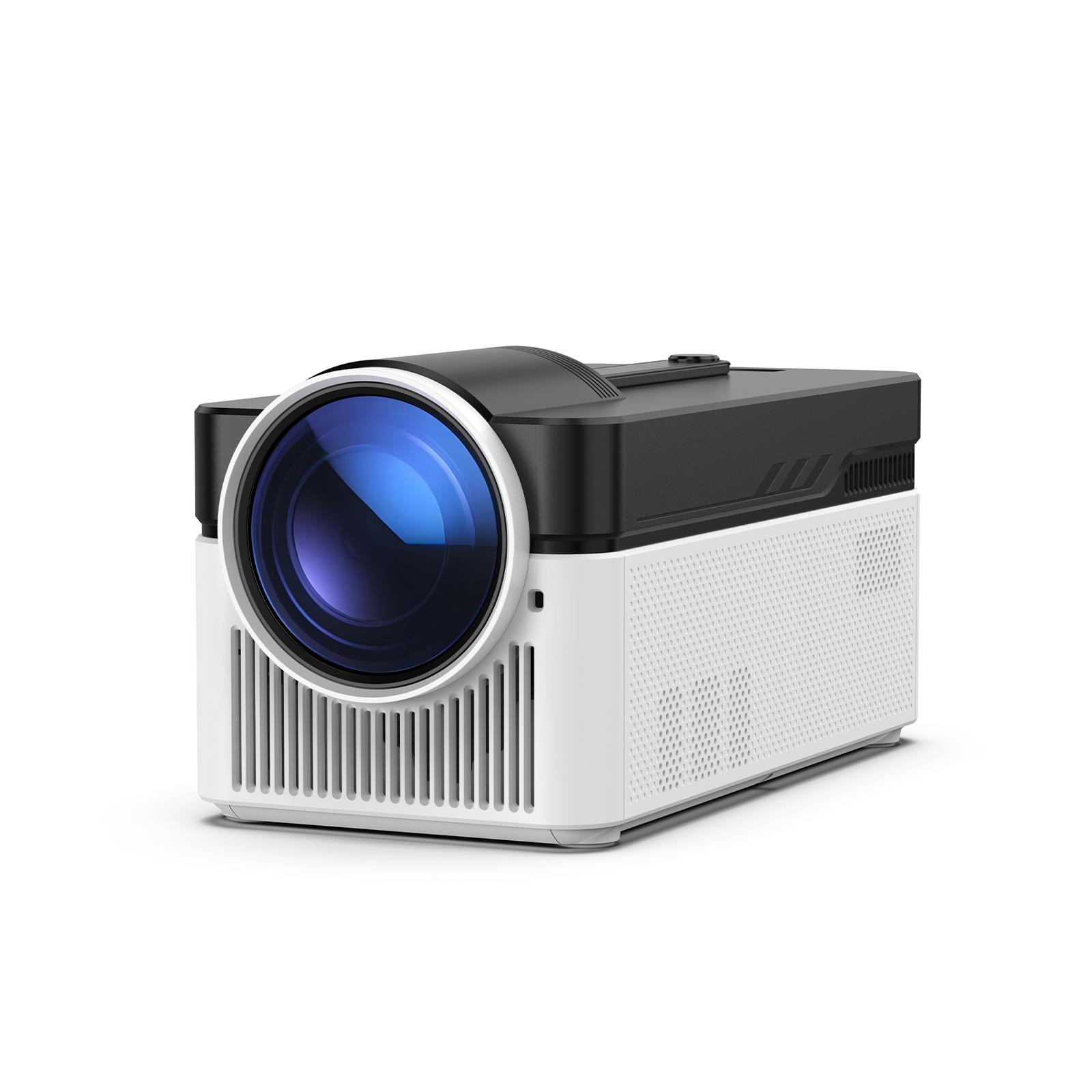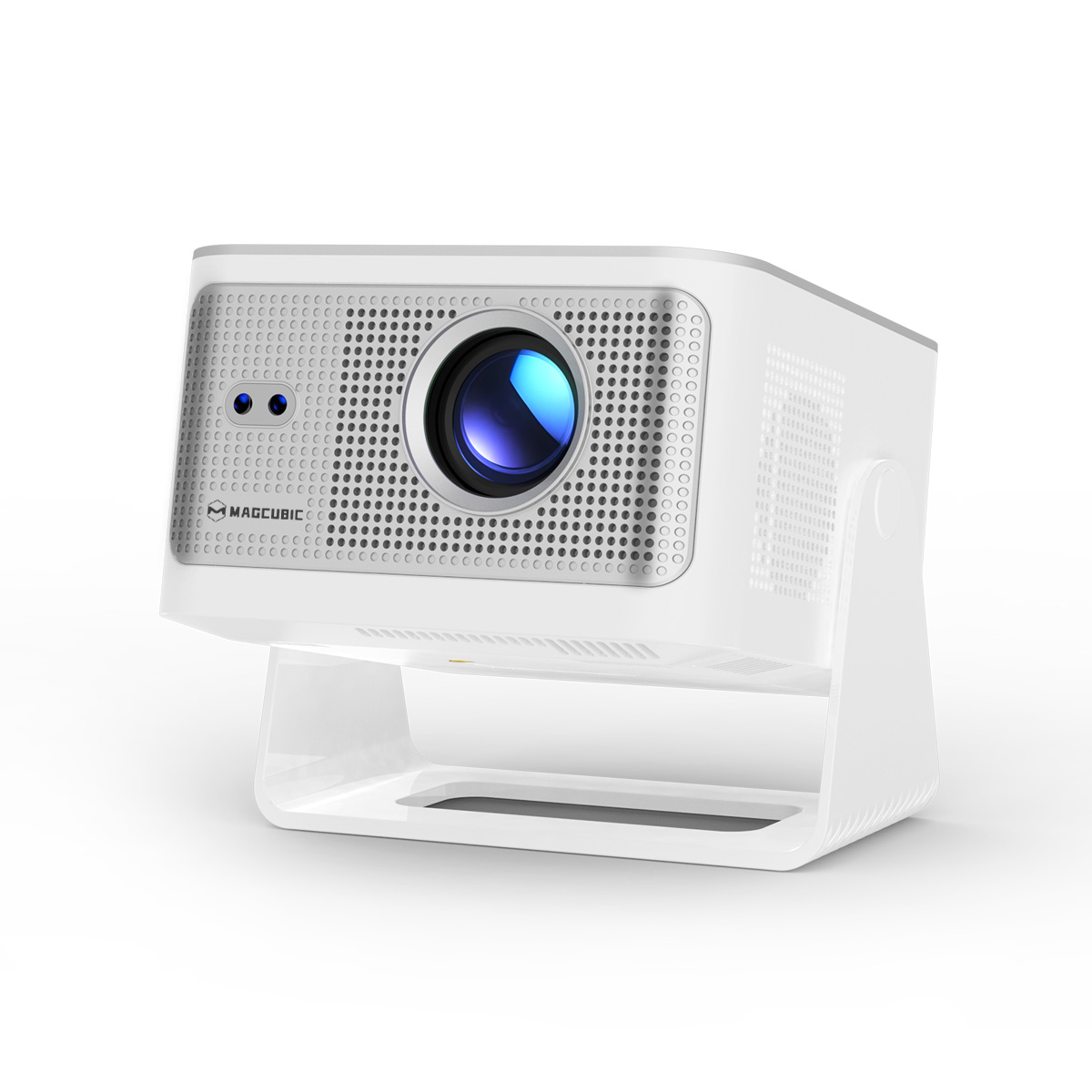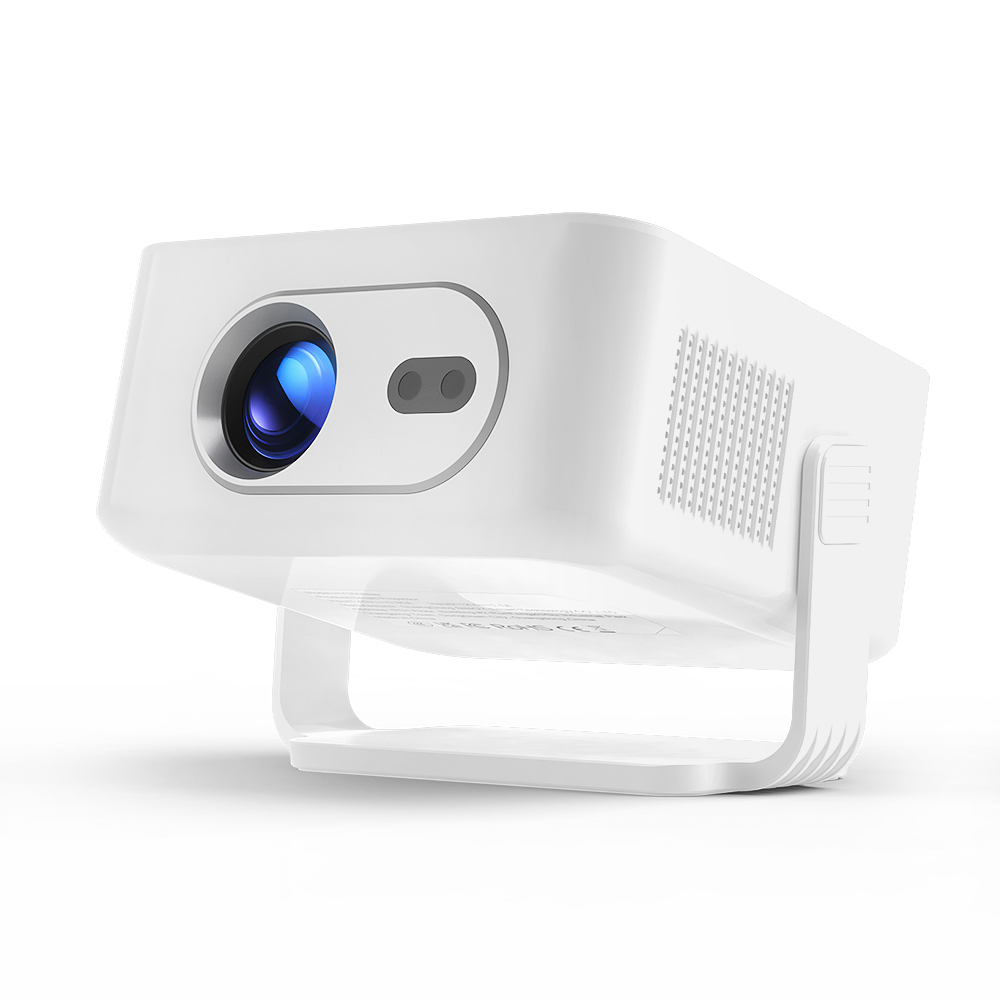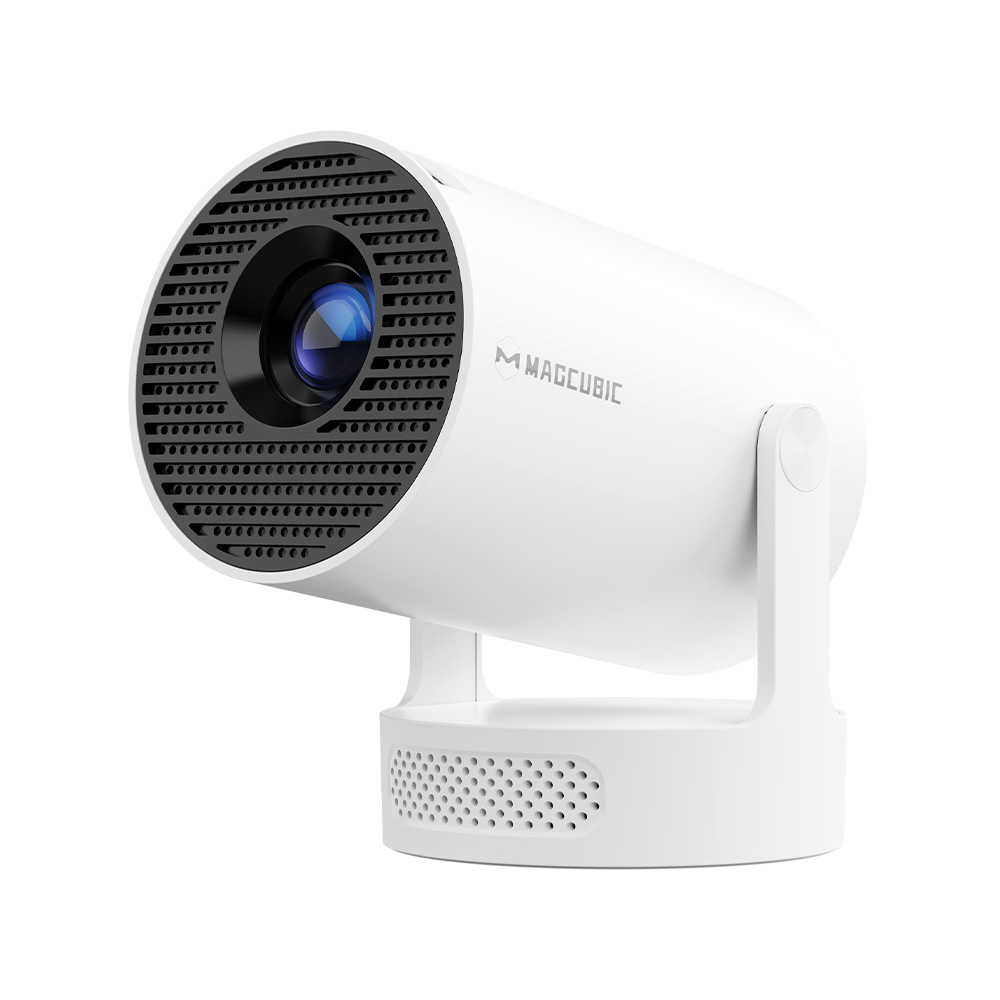
If you’ve been shopping for a projector, you’ve probably come across the term DLP and wondered: What is a DLP projector? DLP stands for Digital Light Processing, a display technology widely used in modern projection systems for home entertainment, business presentations, education, and even automotive lighting.
Today, DLP projectors are among the most popular projector technologies thanks to their sharp image quality, smooth motion, and compact designs. But how exactly do they work, and how do they compare to LCD models?
In this article, we’ll explain what is a dlp projector, how DLP technology works, its key benefits, different light source options, and the differences between DLP and LCD projectors.
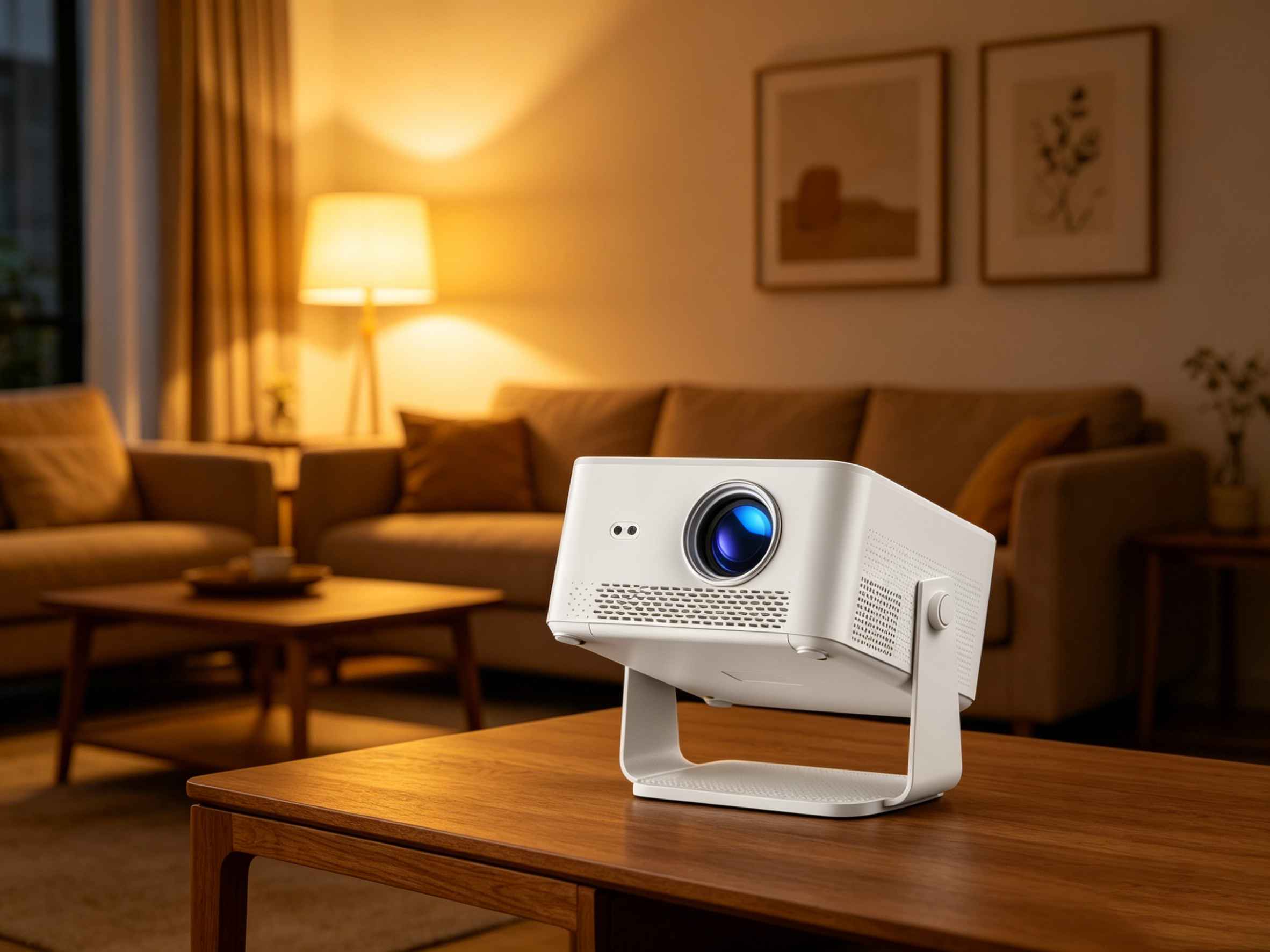
DLP Technology Basics: DLP Projectors Explained
The Origin of DLP Technology
DLP technology was originally developed by Texas Instruments and has since become one of the leading projection technologies worldwide. Unlike analog systems, DLP is fully digital, allowing for more precise image processing and consistent performance.
The Core Component: DMD Chip
At the heart of DLP projectors is a tiny semiconductor device called a Digital Micromirror Device (DMD).
This chip contains millions of microscopic mirrors, with each mirror representing one pixel of the projected image. These mirrors tilt rapidly toward or away from the light source, controlling brightness and image formation at an incredibly high speed.
How Does a DLP Projector Work?
A DLP projector sends light from a source—such as a laser or lamp—onto the DMD chip. The mirrors reflect light through a color system and a projection lens to create the final image on the screen.
Because every pixel can be individually controlled, DLP projectors deliver smoother, cleaner visuals with excellent clarity and reduced image distortion.
Why Choose DLP? The Advantages of DLP Technology
DLP technology powers a large percentage of commercial cinemas and premium home theater systems. Beyond projection, DLP is also used in automotive headlights, industrial lighting, medical imaging, and even 3D printing applications.
Common Applications of DLP Technology
- Home entertainment projection
- Business and classroom presentations
- Smart automotive headlights
- Digital signage and lighting systems
- Industrial and consumer 3D printing
Core Advantages of DLP Projectors
1. Fully Digital Imaging System
DLP offers better light efficiency and more precise color control than many traditional projection technologies.
2. Pixel-Level Precision
Each pixel is individually controlled, resulting in smoother images with cleaner edges and fewer visible artifacts.
3. Better Color Uniformity
DLP technology produces more consistent color distribution across the entire screen, reducing uneven brightness.
4. Higher Pixel Fill Rate
Because pixels are packed more efficiently, images appear sharper and more detailed.
5. High Brightness in Compact Designs
Even smaller dlp projectors can achieve impressive brightness, making them ideal for portable use.
6. Lower Power Consumption
Many DLP systems are designed for energy efficiency, especially modern laser-based models.
LCD vs DLP: What’s the Difference?
When researching what a DLP projector is, many buyers also compare DLP and LCD technologies.
| Feature | DLP Projectors | LCD Projectors |
|---|---|---|
| Image Sharpness | Sharper image quality | Good but slightly softer |
| Motion Handling | Smoother motion | May show motion blur |
| Color Uniformity | More consistent | Can vary across screens |
| Size | Compact design | Usually larger |
| Maintenance | Lower maintenance | More panel maintenance |
| Brightness | Strong brightness efficiency | High color brightness |
Neither technology is universally better—it depends on your needs. DLP is often preferred for sharper visuals and portability, while LCD may appeal to users seeking vivid color output.
How Light Sources Work in DLP Projectors
Different light sources significantly affect projector performance.
1. RGB Pure Laser
RGB laser projectors use separate red, green, and blue lasers to generate extremely vibrant colors and high brightness. They deliver premium image quality but often come at a higher price.
2. Laser Phosphor
Laser phosphor systems combine laser illumination with phosphor materials to produce color. They balance performance, lifespan, and affordability, making them increasingly common in modern DLP projectors.
3. Traditional Lamp
Lamp-based projectors remain budget-friendly but usually require bulb replacement over time and consume more power.
Application Scenarios and Final Thoughts
Many people compare DLP with LCD technologies when choosing a projector. While DLP offers sharper visuals, compact size, and smoother motion, LCD projectors are often valued for affordability and bright color performance.
For businesses seeking reliable projection solutions, Magcubic Factory specializes in producing professional LCD projectors designed for home entertainment, education, and commercial applications. With manufacturing expertise and a focus on product innovation, Magcubic continues to serve global customers with practical projection solutions.
FAQ
Q1: How long do DLP projectors last?
The lifespan depends on the light source. Lamp-based models may last 3,000–6,000 hours, while laser DLP projectors can exceed 20,000 hours with proper maintenance.
Q2: Are DLP projectors brighter than other projectors?
In many cases, yes. DLP systems often provide better light efficiency, especially in compact devices.
Q3: LCD vs DLP — which is better?
There is no one-size-fits-all answer. DLP is often better for sharper images and portability, while LCD may suit users who prioritize strong color brightness and affordability.